Lake Mburo National Park
Your drive from Kampala takes four hours. That is all it takes to reach Uganda's most accessible national park, and one of only two places in the country where you can ride a horse past zebras instead of watching them from a vehicle.
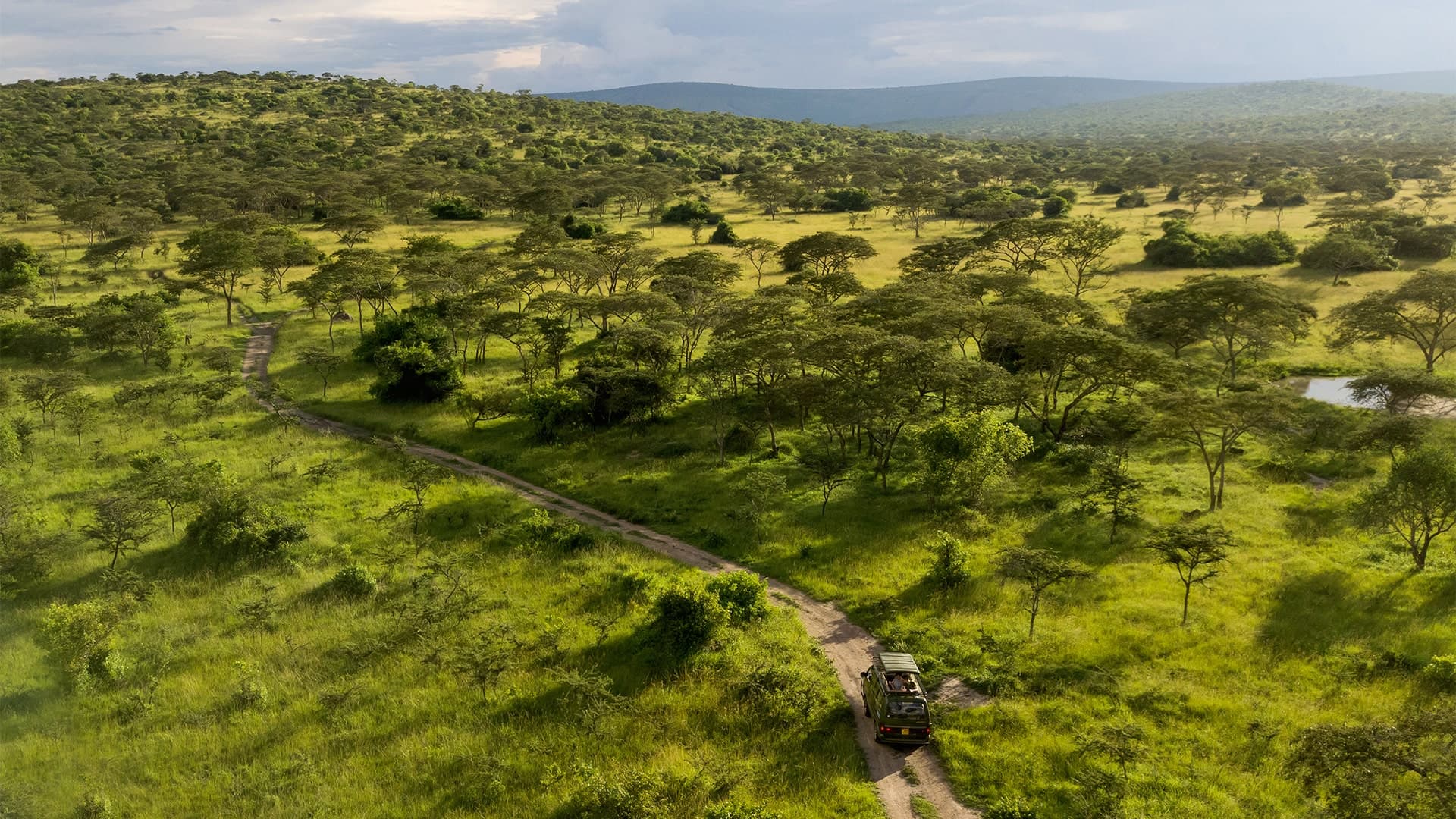
Lake Mburo sits 240km west of Kampala, just off the highway to Mbarara. At 260 sq km, it is the smallest of Uganda's savannah parks. Small does not mean quiet. The park holds the largest concentration of impalas in Uganda, alongside zebras, elands, buffalos, leopards and 350 recorded bird species.
Lake Mburo National Park is located in western Uganda and comprises of 260 square kilometres of savannah area.
The park has a large variety of animals such as buffaloes, leopards, zebras, impalas, hippos and crocodiles. The park has over 300 bird species. The park is the smallest of Uganda’s Savannah national parks.
Apart from game drives it is also possible to do a boat trip on Lake Mburo, with high chances to see crocodiles, hippos, buffalos and the illusive African finfoot.
Distance from Kampala
240 km · about 4 hours
Park size
260 sq km
Mammal species
Up to 70
Bird species
350 recorded
Where is Lake Mburo National Park?
Lake Mburo sits in Kiruhura district, about 30km before Mbarara on the road from Kampala. Two gates serve the park. Nshara gate is 20km from Lyantonde town, the closer option if you are driving from Kampala. Sanga gate sits 37km east of Mbarara, better suited to travelers arriving from the west. Both routes are signposted clearly, but the roads inside the park are rough. Bring a 4x4.
What will you see here?
Up to 70 mammal species live in this park, including Rothschild giraffes, Burchell zebras, hippos, crocodiles, hyenas and leopards. The park was declared a hunting ground in 1933, a game reserve in 1963, and a national park in 1983. After a period of encroachment by cattle herders following the fall of the Obote government, the Uganda Wildlife Authority restored it in 1986. It has been protected since.
Birders get 350 species to work with, including the Red-faced Barbet, found nowhere else, plus the African Finfoot and the rare Shoebill. Look for the Saddle-billed Stork, Grey Crowned Crane and Abyssinian Ground Hornbill along the way.
Things to do
What can you do in the park?
Game drives
A ranger guide takes you through the park in search of giraffes, elands, impala and, on a good day, leopards or lions. Zebras here are a rare sight elsewhere in western Uganda.
Night game drives
Run for about 2.5 hours after dinner, using spotlights to track leopards, jackals, bush babies and porcupines while they feed.
Boat cruise
A trip along Lake Mburo puts you close to hippos, crocodiles and otters, plus birds like the Malachite Kingfisher and African Fish Eagle.
Nature walks
An armed ranger walks you through hyena and buffalo territory, then up to the hilltops for views over nine regional lakes.
Horseback safaris
Mihingo Lodge runs this activity, the only one of its kind in Uganda. You watch wildlife from the back of a horse, with no engine noise to scatter it.
Bicycle safaris
Guided rides run a minimum of one hour through herds of impala, zebra and buffalo on the flat ground of the park.
Cultural encounters
The Bahima called this land Kaaro Karungi, “the beautiful land,” before the park displaced them from it. They now live along the boundary and welcome visitors to learn about their long-horned Ankole cattle, music and craft at the Enyemebwa center.
Lodging
Where should you stay?
Luxury
Mihingo Safari Lodge — luxury tented, the top pick in the park.
Upper midrange
Kigambira Safari Lodge and Mantana Tented Camp.
Lower midrange
Rwakobo Rock and Kigarama Wilderness Lodge.
Budget
Eagle's Nest Lodge and Mpogo Safari Lodge.
Access
How do you get there?
By road, expect a four hour drive on the Kampala-Masaka highway. This is Uganda's most accessible park, and a real option for a one-day safari from Kampala. A 4x4 handles the rough sections inside the park best, though the tarmac approach roads are in good shape.
Plan it
Safaris that include Lake Mburo National Park
- Highlights of Uganda (15 days)15 days
- Birding through Uganda Safari22 days
- Safari Western Uganda (10 days)10 days
- Group Tour Highlights of Uganda14 days
- Uganda Safari Adventure (11 days)11 days
- Uganda Adventure Safari (8 days)8 days
- Queen Elizabeth and Lake Mburo Wildlife Safari (3 days)3 days
- Relaxing and Adventurous Safari (5 days)5 days
- Romantic Western Uganda Safari (5 days)5 days
- Romantic Western Uganda Safari (8 days)8 days
Keep exploring
Other places to visit
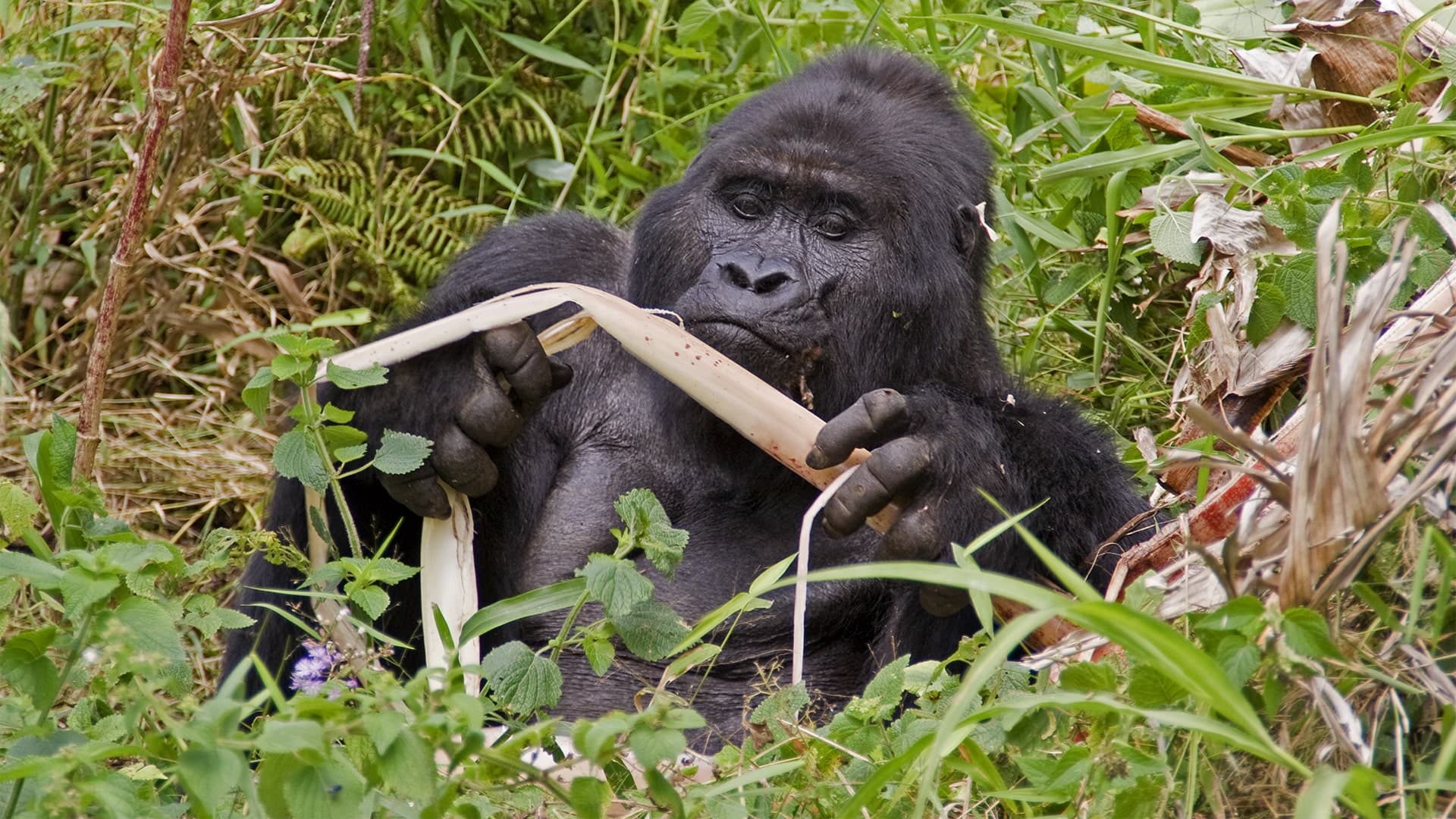
Bwindi Impenetrable Forest
Southwest Uganda. Home to the mountain gorilla.
View destination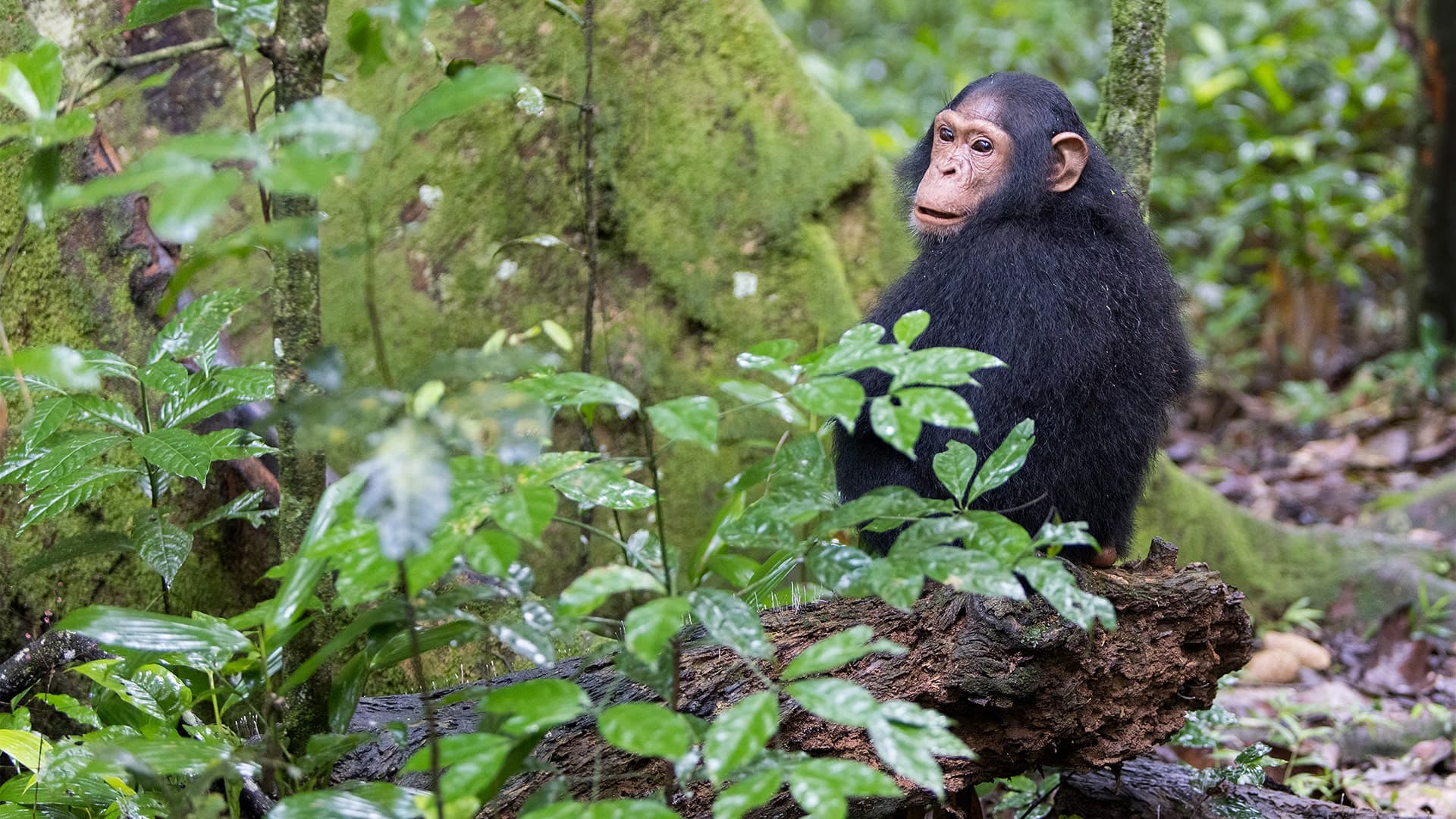
Kibale Forest National Park
Western Uganda. Home to the chimpanzee.
View destination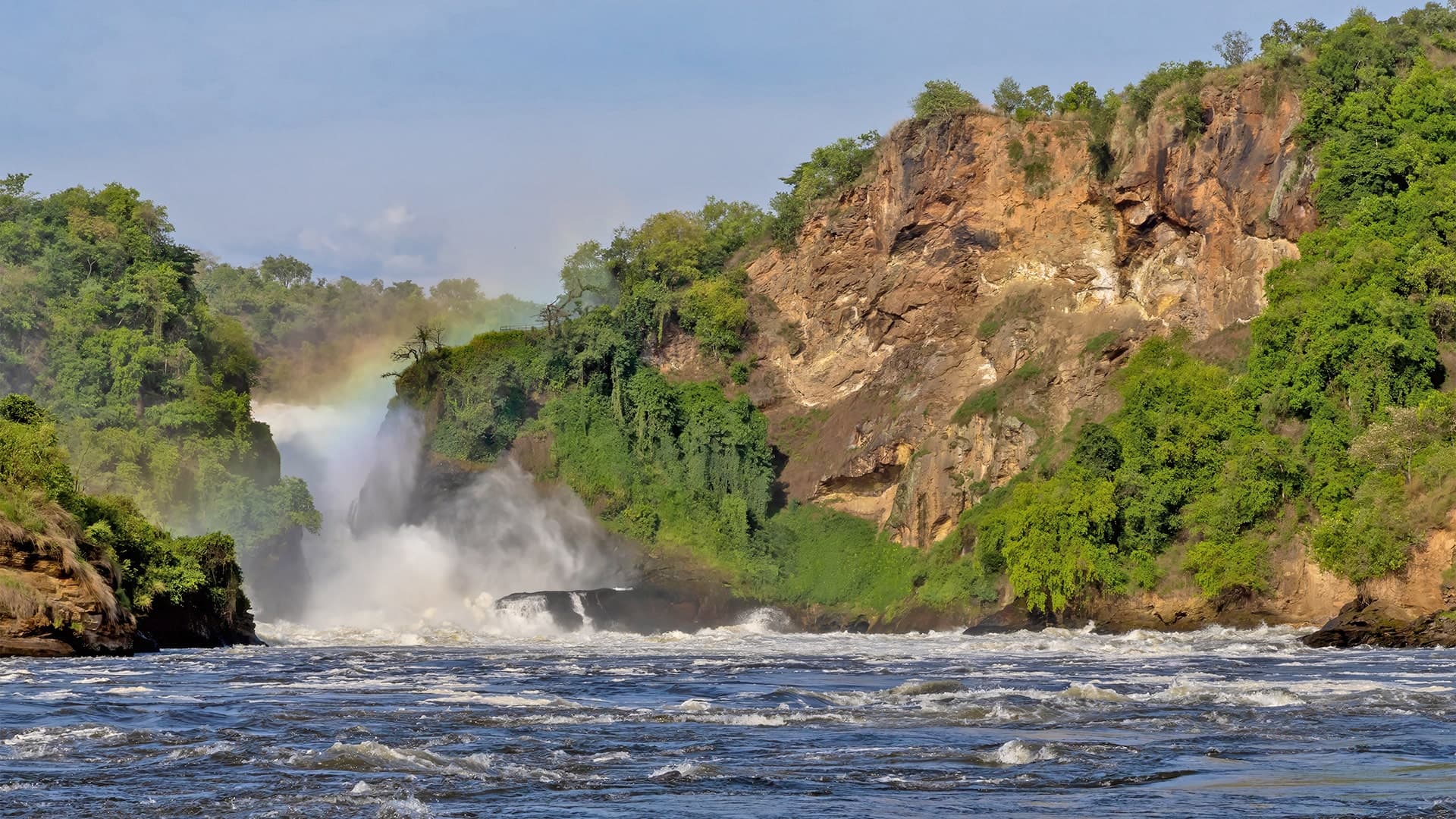
Murchison Falls National Park
The Nile forces itself through a narrow gorge here. Savannah game drives round out the visit.
View destinationReady to Plan Your Safari?
Tell us your dates, group and what you want to see
You’ll get a custom itinerary and quote back, not a template someone else already used. Handled by a local team before you land in Entebbe.