Bwindi Impenetrable Forest
Your gorilla trek starts long before you step into the forest. It starts with understanding what makes Bwindi different from every other park in Uganda. Here's what 321 square kilometers of afro-montane forest, 12 habituated gorilla families, and one $800 permit actually mean for your trip.
Bwindi sits in southwestern Uganda, covering 32,092 hectares at altitudes between 1,160 and 2,607 meters. The park holds more tree species at this elevation than any comparable forest in East Africa: 163 species of trees, 202 species of butterflies, 120 species of mammals, and 350 recorded bird species.
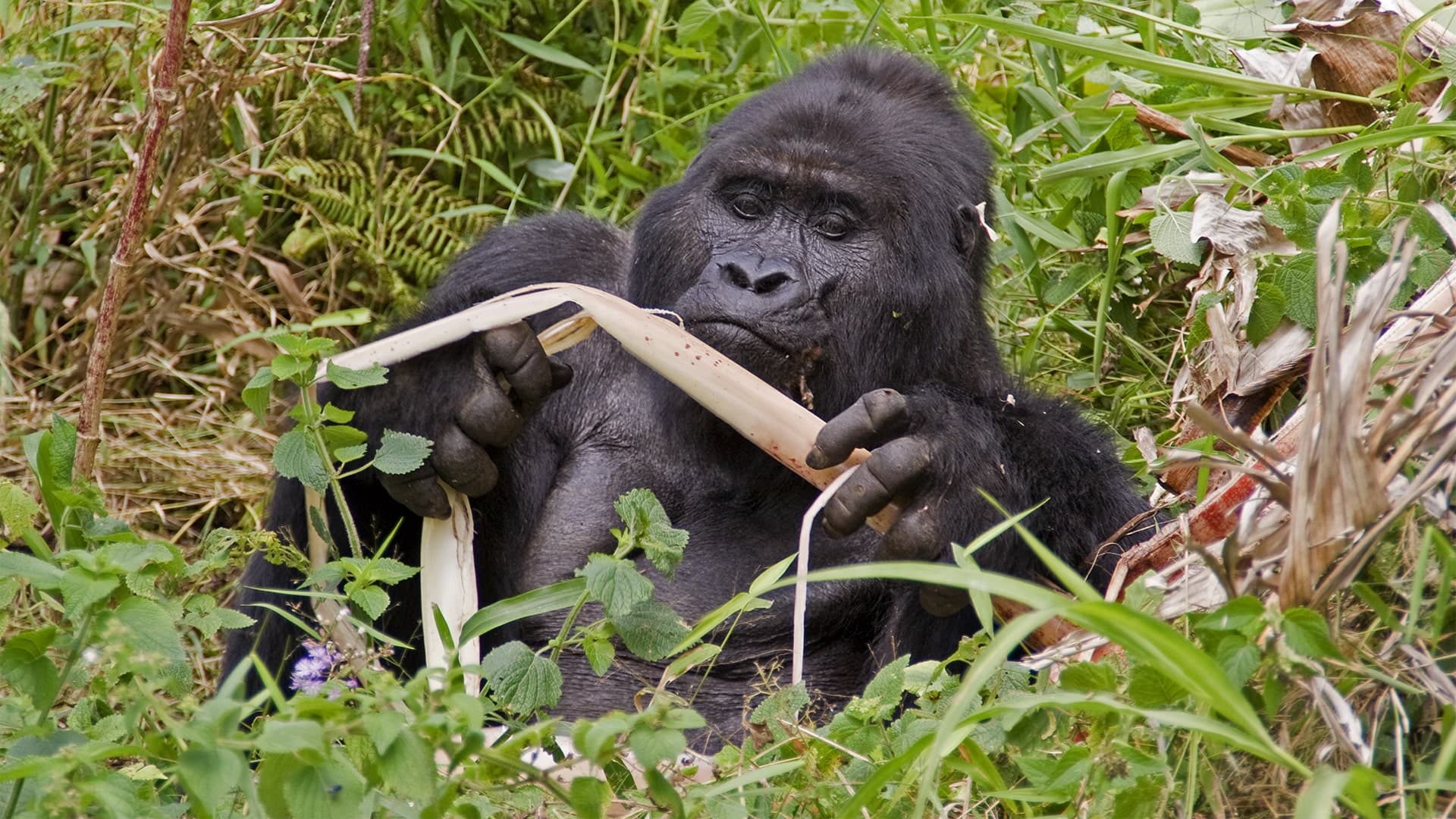
Located in south-western Uganda, Bwindi Impenetrable National Park is the ultimate highlight for many visitors to Uganda – it is home to the endangered Mountain Gorillas.
Covering 331 km² of dense jungle, Bwindi combines both montane and lowland forest, making it one of the most biologically diverse areas in Africa. The park can only be explored on foot, adding to its sense of adventure and wilderness.
Bwindi provides a habitat for around 119 mammal species (including 11 primates), 348 species of birds, and over 200 species of butterflies. Most famously, about 450 Mountain Gorillas live here, with several habituated groups open to tourism.
To visit the gorillas, a special tracking permit is required. Rays Safaris arranges these permits and organizes your unforgettable gorilla trek in Bwindi.
Gorilla permit
$800 per person
Habituated families
12 across 4 regions
Mountain gorillas
Over half the world's 1,008
Bird species
350 · 23 Albertine Rift endemics
What is Bwindi Impenetrable Forest National Park?
The name tells you what you're walking into. Dense undergrowth tangles with mature tropical trees across rugged terrain. Local legend traces the name back to a family who crossed a swamp only after sacrificing a daughter to its spirit. The swamp, Mubwindi bwa Nnyinamukari, still exists inside the park today.
Bwindi became a game sanctuary in 1961 to protect its mountain gorillas and was upgraded to full national park status in 1991.
Why do people come here specifically for gorillas?
Bwindi holds more than half of the world's 1,008 remaining mountain gorillas. That single fact puts this park ahead of every other gorilla trekking destination on the planet.
Nine other endangered species share this forest with the gorillas, including the common chimpanzee, L'Hoest's monkey, and the African elephant. But the gorillas are why your permit costs what it costs and why you book months in advance.
Which gorilla families can you track, and where?
Bwindi splits into four trekking regions, each with its own set of habituated families.
Buhoma region. Mubare: 8 members, 1 silverback, the first family ever habituated, tracked since 1993. Habinyanja: 18 members, 2 silverbacks, named after the pool of water where the group was first sighted. Rushegura: 19 members, 1 silverback, split from Habinyanja in 2002 and sometimes wanders into the grounds of Gorilla Forest Camp.
Ruhija region. Bitukura: 14 members, 4 silverbacks, first tracked in 2007 and quicker to habituate than most groups. Oruzogo: 23 members, 1 silverback, known for a high number of playful juveniles. Kyaguriro: 15 members, 2 silverbacks, used for research for years before opening to tourists.
Nkuringo region. Nkuringo: 19 members, 2 silverbacks, tracked since 2000 and considered the most physically demanding trek in the park.
Rushaga region. Nshongi: 18 members, 4 silverbacks, one of the oldest habituated groups. Mishaya: 7 members, 1 silverback. Kahungye: 13 members, 3 silverbacks. Bweza: 7 members, 1 silverback, split from Mishaya in 2012. Busingye: 9 members, 1 silverback, whose name means "peace", though this group has a reputation for conflict with neighboring families.
Buhoma connects easily to Queen Elizabeth National Park, which drives demand for those permits higher. Book that sector early.
What does a day of gorilla trekking actually look like?
Your day starts at 8am with a briefing at park headquarters. From there, you hike anywhere from 2 to 8 hours depending on where your assigned family is feeding that day. Once you find them, you get exactly one hour with the gorillas. Only 8 people are permitted per family per day.
A permit costs $600 per person. Trekking runs year-round, but the dry season gives you easier terrain and better visibility.
When should you go?
The dry seasons, June through August and December through February, give you the best wildlife viewing conditions. Rain is part of the deal in a rainforest year-round, so pack for it regardless of when you travel.
What about the visa?
Uganda offers e-visas online, but many travelers skip that process and pay $100 for a visa on arrival at Entebbe International Airport. If Rwanda or Kenya are also on your route, look into the East Africa Tourist Visa before you fly.
Things to do
What can you do in the park?
Gorilla trekking
An 8am briefing, then 2 to 8 hours on foot to reach your assigned family, and exactly one hour with them. Eight people per family per day, at $600 a permit.
Nature walks
Six trails run through the park, including the Munyange waterfall trail for primates and birds, and the Rushura Hill trail, which gives you views of the Rwenzori and Virunga ranges along with Lake Edward and Lake George.
Birdwatching
With 350 recorded species, 23 of them endemic to the Albertine Rift, Bwindi ranks among the best birding sites on the continent. Look for the African Green Broadbill and Shelley's Crimson Wing. Ruhija delivers the highest species counts.
Cultural encounters
The Batwa lived inside this forest as hunter-gatherers until the park's creation forced their relocation. Buhoma Community Tours and the Nkuringo Cultural Centre run visits built around Batwa history and tradition.
Lodging
Where should you stay?
Buhoma
Ride for a Woman Homestead (budget), Engagi Lodge and Silverback Lodge (midrange), Buhoma Lodge and Sanctuary Gorilla Forest Camp (upmarket).
Nkuringo
Clouds Mountain Gorilla Lodge, Nkuringo Gorilla Lodge, Chameleon Hill Lodge.
Ruhija
Ruhija Gorilla Safari Lodge, Gift of Nature Lodge, Ruhija Community Rest Camp.
Rushaga
Gorilla Safari Lodge, Ichumbi Gorilla Lodge, Four Gorilla Lodge.
Access
How do you get there?
By road, distances from Kampala run long: Buhoma sits 527 km away (about 10 hours), Rushaga 510 km, Ruhija 473 km, and Nkuringo 517 km. From Kigali, Rwanda, the drive is shorter: Buhoma at 232 km (5 hours), Ruhija 170 km, Rushaga 169 km, Nkuringo 214 km. By air, domestic carriers such as Aerolink fly from Entebbe to the Kihihi and Nyakabande airstrips. Kihihi connects you to Buhoma and Ruhija; Nyakabande connects you to Nkuringo and Rushaga. Whichever route you take, plan for a 4x4 — rainy season turns these roads into a different kind of trek altogether.
Plan it
Safaris that include Bwindi Impenetrable Forest
- Highlights of Uganda (15 days)15 days
- Gorilla Tracking in Bwindi (5 days)5 days
- Highlights of Uganda and Rwanda (13 days)13 days
- Best of Uganda & Rwanda19 days
- Gorilla Tracking Safari – Bwindi Impenetrable Forest4 days
- Fly-In Safari – Bwindi & Queen Elizabeth National Park6 days
- Safari Western Uganda (10 days)10 days
- Uganda Safari Adventure (11 days)11 days
- Uganda Adventure Safari (8 days)8 days
- Primates & Wildlife of Uganda (6 days)6 days
- Rwanda – Uganda Gorilla Trekking (6 days)6 days
- Uganda – Rwanda Gorilla and Wildlife Safari (10 days)10 days
- Rwanda and Uganda Safari (12 days)12 days
- Uganda Wildlife and Gorilla Safari (5 days)5 days
- Uganda Chimpanzee, Wildlife and Gorilla Safari (5 days)5 days
- Romantic Western Uganda Safari (5 days)5 days
- Romantic Western Uganda Safari (8 days)8 days
Keep exploring
Other places to visit
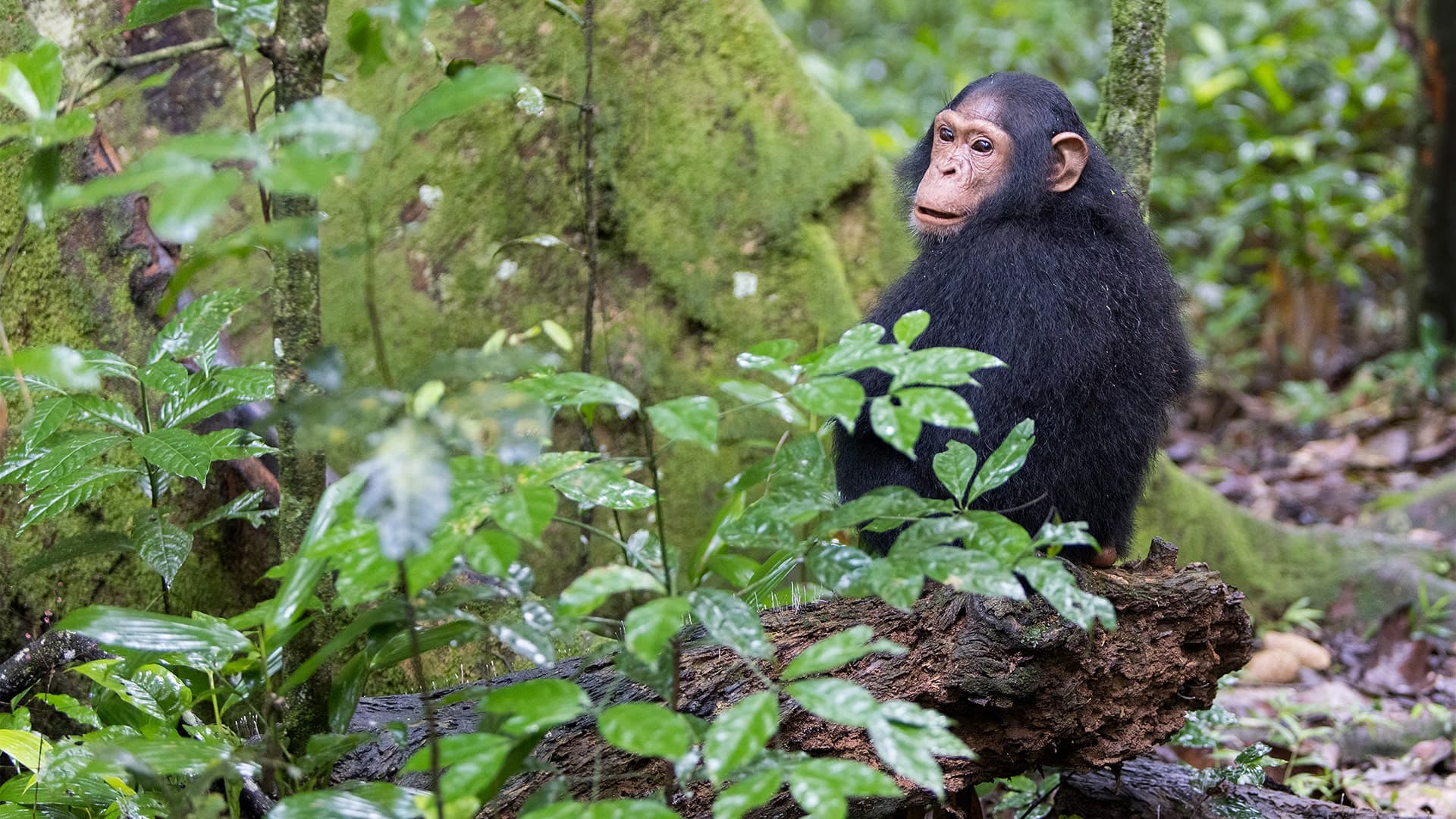
Kibale Forest National Park
Western Uganda. Home to the chimpanzee.
View destination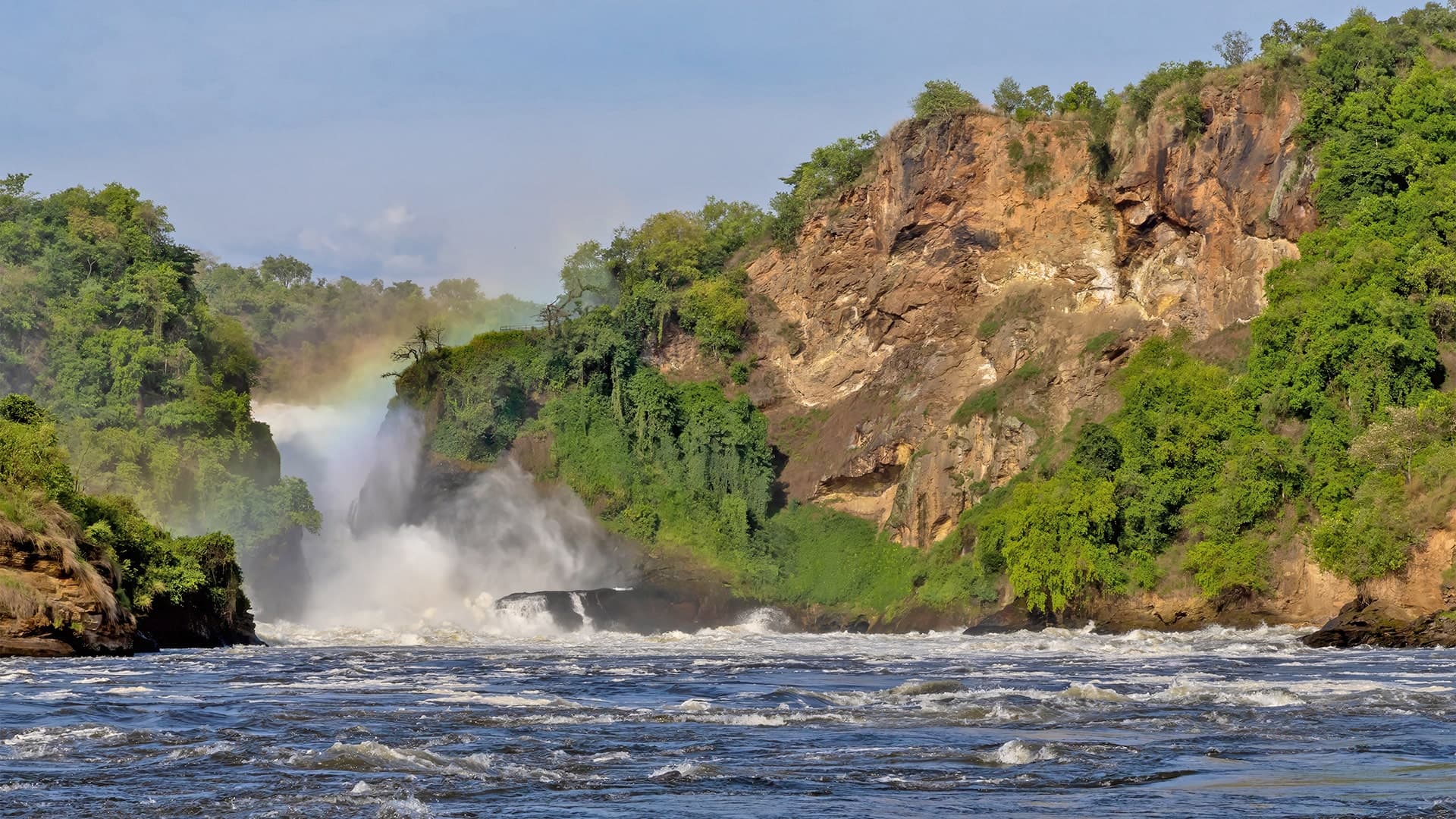
Murchison Falls National Park
The Nile forces itself through a narrow gorge here. Savannah game drives round out the visit.
View destination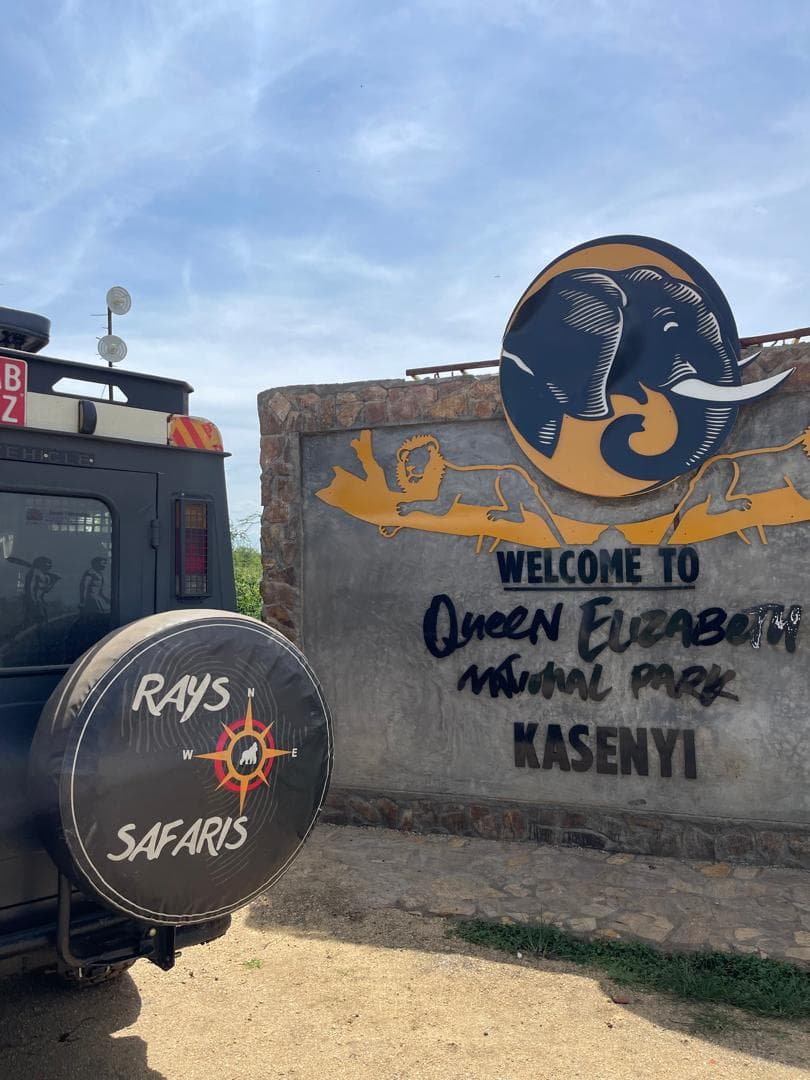
Queen Elizabeth National Park
Game drives, boat rides on the Kazinga Channel, and tree-climbing lions.
View destinationReady to Plan Your Safari?
Tell us your dates, group and what you want to see
You’ll get a custom itinerary and quote back, not a template someone else already used. Handled by a local team before you land in Entebbe.