Murchison Falls National Park
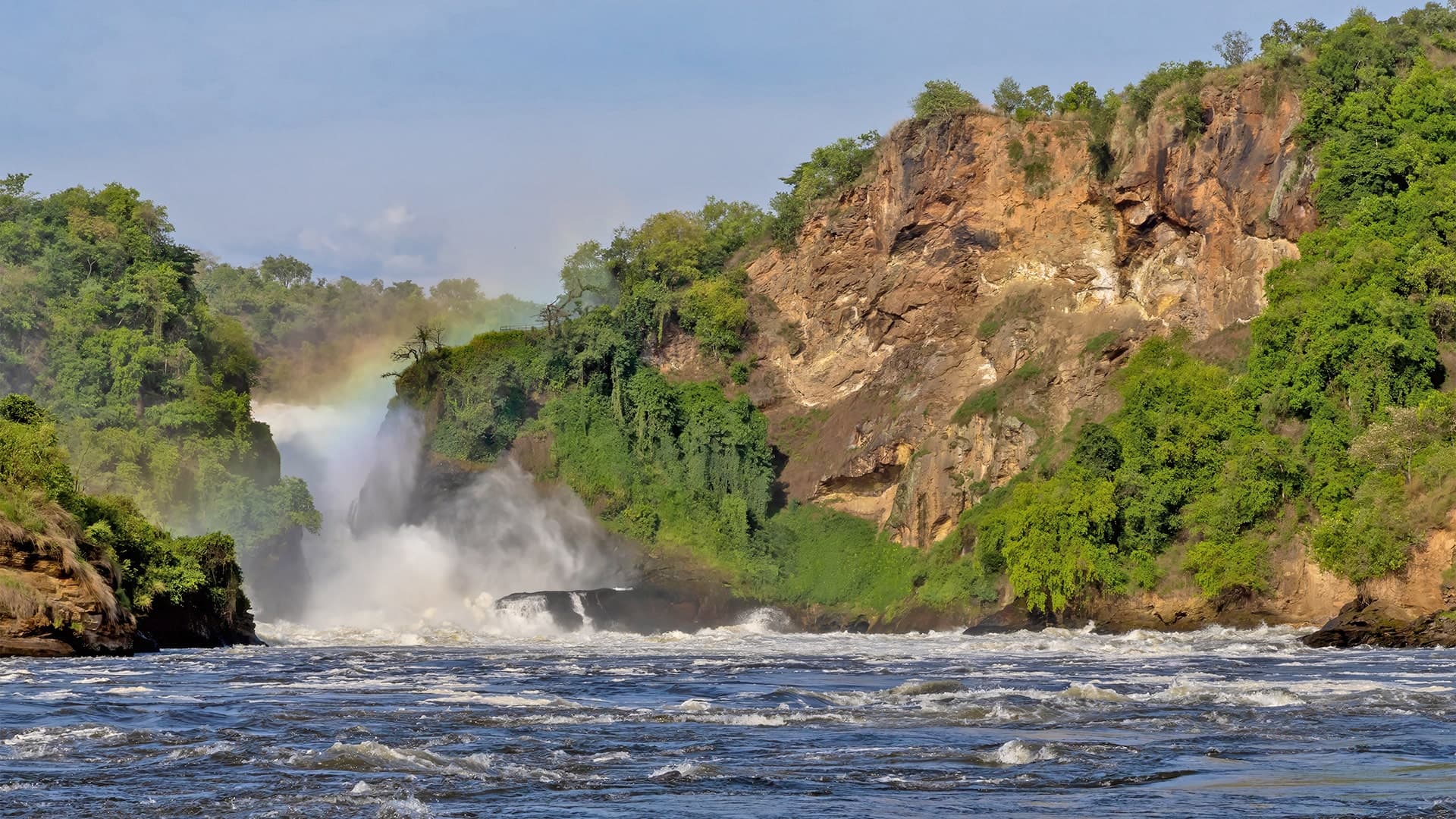
The Victoria Nile forces itself through a 7-meter gap in the rock, then drops 43 meters. That single squeeze is Murchison Falls, the reason this park exists on any map, and Uganda's oldest protected area, gazetted as a game reserve in 1926.
Over 300 cubic meters of water push through that narrow gorge every second. The spray reaches 50 meters out. Winston Churchill saw the same falls in 1907 and called the surrounding country a Kew Gardens with wildlife attached. Uhuru Falls, just beside the main drop, formed in 1962 when the Nile burst its banks during flooding.
In north-western Uganda, the mighty Nile River forces its way through a narrow gorge, exploding into the world’s most powerful waterfall: Murchison Falls. Surrounding this spectacle is Uganda’s largest national park, covering 3,480 km² of wilderness.
Here you can see the “Big Five”: buffalo, elephant, lion, and leopard roam freely north of the Nile, while rhinos are being reintroduced at nearby Ziwa Rhino Sanctuary. The park also boasts hippos, giraffes, crocodiles, countless antelopes, and abundant birdlife along the Nile Delta.
A boat cruise to the base of the falls, combined with classic game drives, makes Murchison Falls an essential highlight of any Ugandan safari.
Park size
3,840 sq km
Protected since
1926 — Uganda's oldest
Mammal species
76, including four of the Big Five
Bird species
451 confirmed
The falls themselves
You can view the falls two ways. A boat cruise takes you to the base, where the noise and the spray put you close enough to feel the drop rather than just see it. A footpath from near Sambiya River Lodge takes you to the top, a two-hour round trip with a viewpoint over both Murchison and Uhuru Falls. Go in the afternoon for the light.
What you'll see on a game drive
Murchison holds 76 mammal species, including four of the Big Five: lion, leopard, elephant, and buffalo. Add reticulated giraffe, Uganda kob, Jackson's hartebeest, waterbuck, oribi, and four monkey species, spread across 3,840 square kilometers of savanna.
Three tracks cover the northern bank: Albert, Victoria, and Buligi. The northern bank carries more wildlife than the south, so if you're staying south of the river, plan an early ferry crossing. Game drives run 3 to 4 hours, best at 6:30 a.m. or 4 p.m., when predators are working and grazers are out.
Birds along the river
The park has confirmed 451 bird species, with 19 more reported but unverified. The shoebill draws the most attention, and the Nile Delta, where the Victoria Nile meets Lake Albert, is your best chance at one. Look also for the Goliath heron, the grey crowned crane, giant and malachite kingfishers, and the Abyssinian ground-hornbill.
Forest primates nearby
Kaniyo Pabidi, 8 kilometers past Kichumba gate, holds habituated chimpanzees, blue monkeys, black-and-white colobus, and olive baboons, and it's one of the few places in Africa to see the chocolate-backed kingfisher and Ituri batis. Rabongo Forest, a 4-square-kilometer pocket further south, adds medicinal plants and its own bird population to the mix.
When to go
Dry season, June to August and December to February, gives you the clearest game viewing. Rain is part of any rainforest visit in Uganda, so pack for it regardless of season.
Things to do
What can you do in the park?
Game drives
Three tracks cover the northern bank — Albert, Victoria and Buligi. Drives run 3 to 4 hours, best at 6:30 a.m. or 4 p.m. The northern bank carries more wildlife than the south.
Nile boat cruise
The river splits the park across 115 kilometers. A cruise toward the base of the falls puts you alongside hippos, Nile crocodiles, elephants and buffalo coming down to drink.
Top of the falls hike
A footpath from near Sambiya River Lodge, a two-hour round trip to a viewpoint over both Murchison and Uhuru Falls. Afternoon light is best.
Chimpanzee tracking
Kaniyo Pabidi, 8 km past Kichumba gate, holds habituated chimpanzees alongside blue monkeys, black-and-white colobus and olive baboons.
Birding
451 confirmed species. The Nile Delta, where the Victoria Nile meets Lake Albert, is your best chance at a shoebill.
Lodging
Where should you stay?
Upmarket
Chobe Safari Lodge, on the Nile facing Karuma Wildlife Reserve, with 21 luxury tents, 36 rooms and 4 presidential suites. Paraa Safari Lodge, five-star on the river, has 54 en-suite rooms and a pool overlooking the water — and is where The African Queen was filmed.
Midrange
Baker's Lodge and Sambiya River Lodge.
Budget
Red Chilli Rest Camp and UWA bandas.
Access
How do you get there?
From Kampala, the Masindi route runs 85 kilometers to Kichumbanyobo gate, about 2 to 3 hours. The Albertine Rift route runs 135 kilometers with better scenery along the way. From the north, the Karuma–Pakwach road branches off the Kampala–Gulu highway and reaches the park through Tangi, Chobe, or Wankwar gates. Aero Link flies from Entebbe to Bugungu and Pakuba airstrips, and charter flights leave from Kajjansi.
Plan it
Safaris that include Murchison Falls National Park
- Highlights of Uganda (15 days)15 days
- Highlights of Uganda and Rwanda (13 days)13 days
- Best of Uganda & Rwanda19 days
- Birding through Uganda Safari22 days
- Group Tour Highlights of Uganda14 days
- Uganda Safari Adventure (11 days)11 days
- Rwanda and Uganda Safari (12 days)12 days
- Murchison Falls National Park Safari (3 days)3 days
Keep exploring
Other places to visit
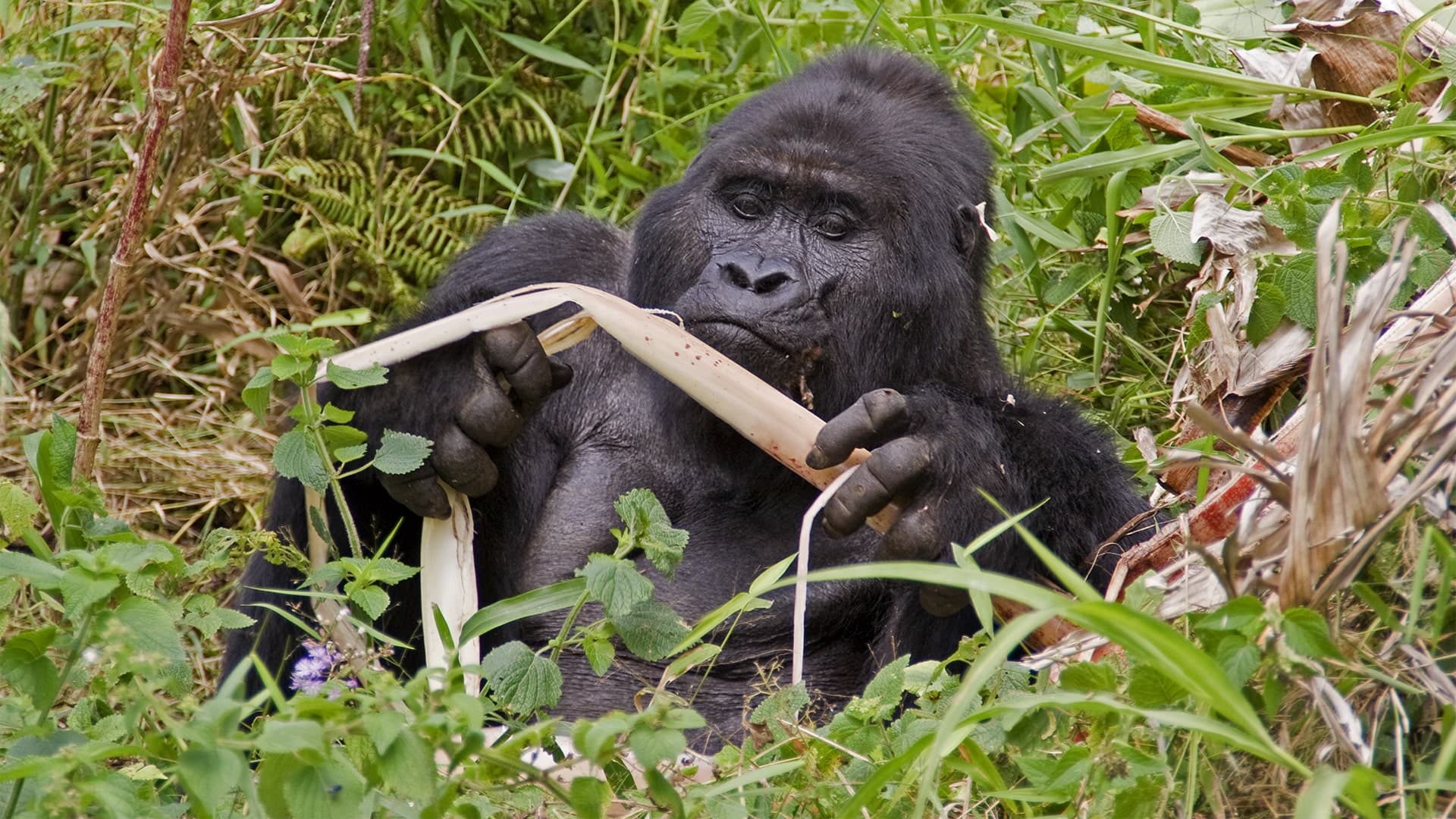
Bwindi Impenetrable Forest
Southwest Uganda. Home to the mountain gorilla.
View destination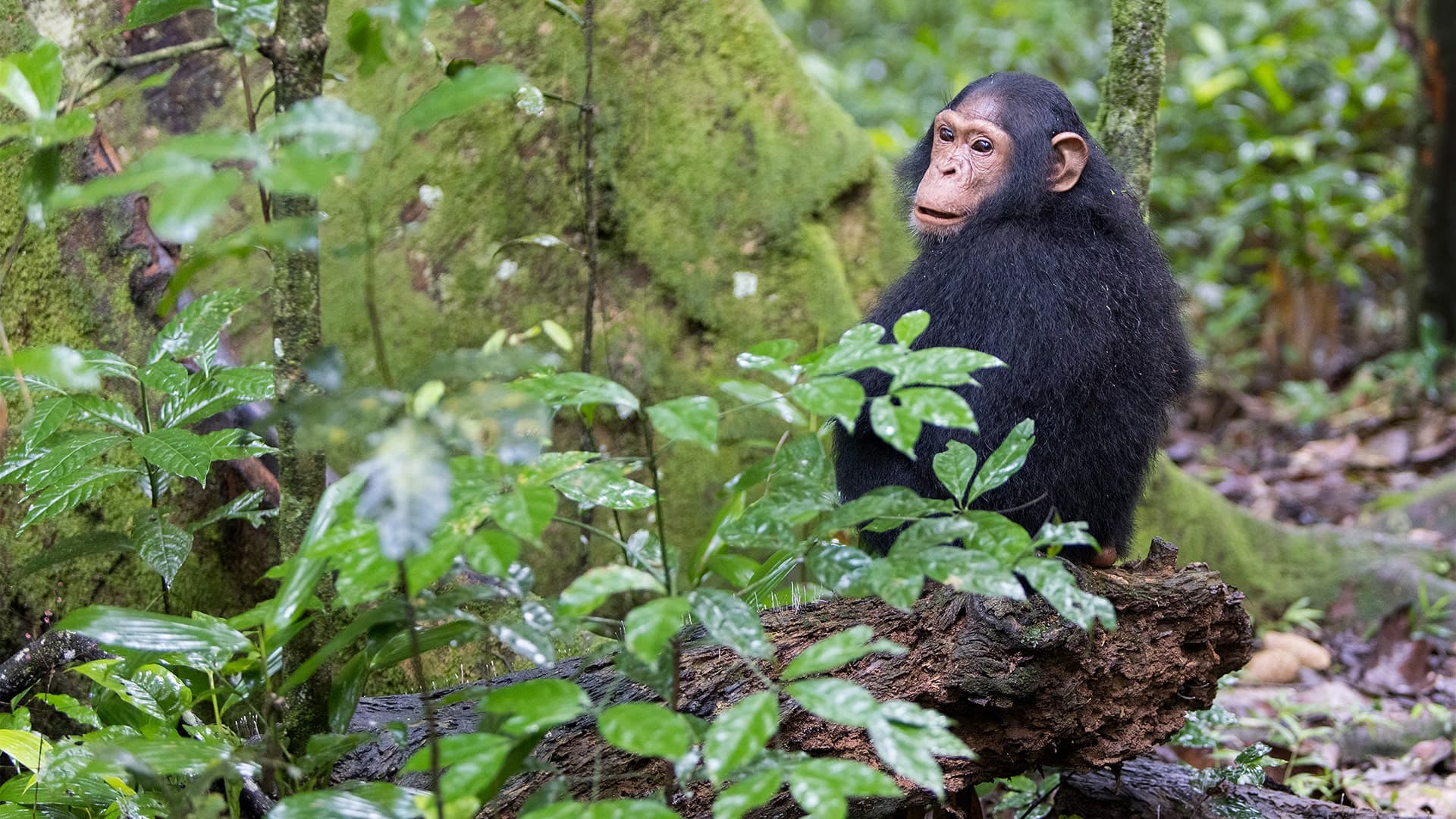
Kibale Forest National Park
Western Uganda. Home to the chimpanzee.
View destination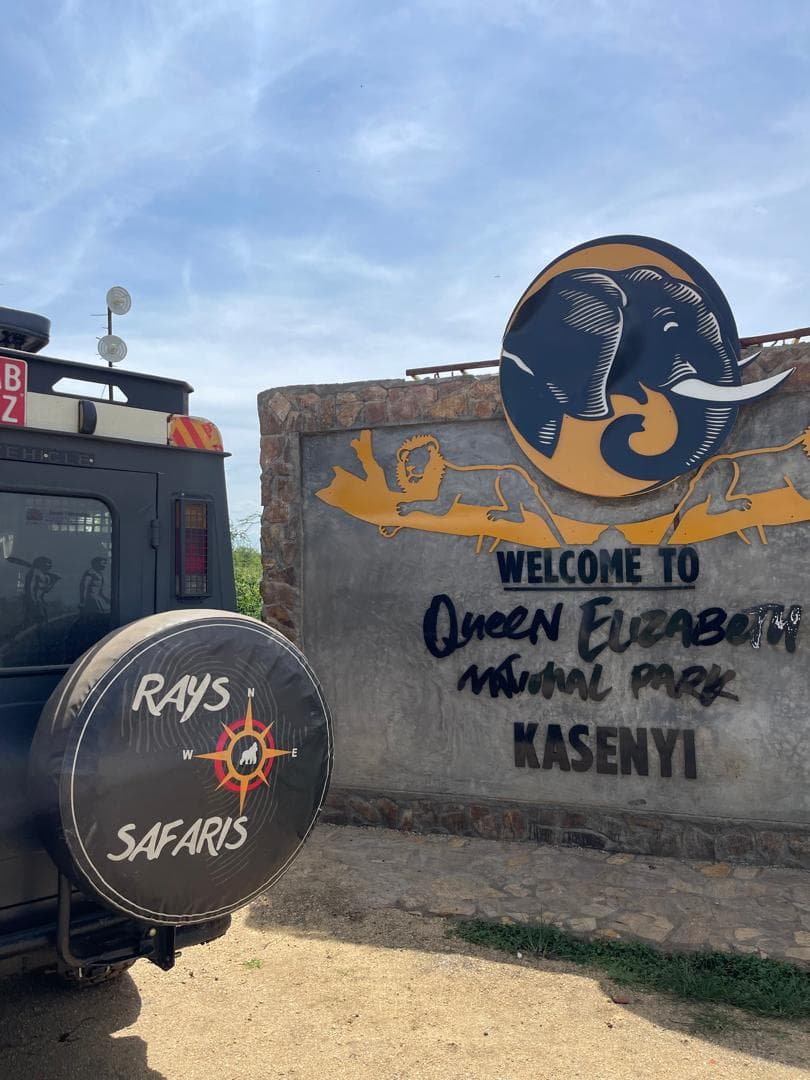
Queen Elizabeth National Park
Game drives, boat rides on the Kazinga Channel, and tree-climbing lions.
View destinationReady to Plan Your Safari?
Tell us your dates, group and what you want to see
You’ll get a custom itinerary and quote back, not a template someone else already used. Handled by a local team before you land in Entebbe.