
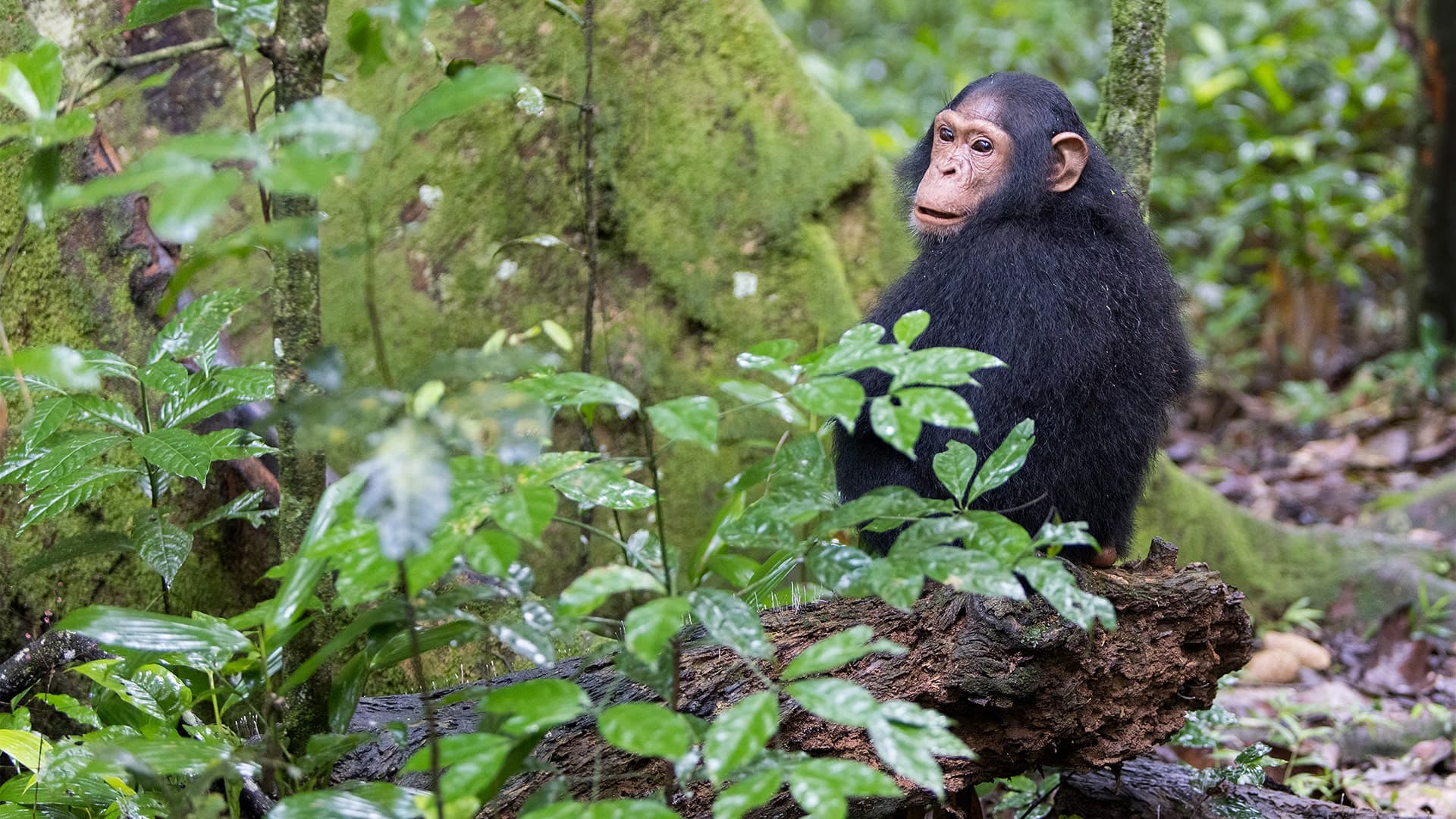
Kibale Forest National Park
Kibale holds the highest concentration of primates in Africa. Thirteen species live inside its 795 square kilometers, and one of them is your reason for coming: the chimpanzee.
Kibale has tracked chimps since 1993. The park counts roughly 1,450 individuals, Uganda's largest population. Your odds of finding a group on a standard walk are high, and the Chimpanzee Habituation Experience puts you with a single community from 6:30 a.m., when they leave their night nests, until they build new ones near dusk.
Kibale Forest in western Uganda is world-famous for its Chimpanzees. The park is home to 13 primate species, earning it the title “Primate Capital of the World.” Tracking wild chimpanzees here is a thrilling and moving experience, with their calls echoing through the dense rainforest.
Created in 1993, Kibale covers 795 km² of jungle forest and connects with Queen Elizabeth National Park. Besides chimpanzees, you may also encounter elephants, leopards, bushpigs, duikers, otters, and more than 350 species of birds. For nature lovers, Kibale is a true paradise.
Park size
795 sq km
Primate species
13 — the highest density in Africa
Chimpanzees
About 1,450
Bird species
375 recorded
Why chimpanzee trekking starts here
You will also pass through territory for red colobus and l'Hoest's monkeys. Kibale holds East Africa's largest populations of both. Add red-tailed and blue monkeys, black-and-white colobus, grey-cheeked mangabey, olive baboon, and potto, and a single forest walk can turn into eight primate species before lunch.
Where the walks happen
Kanyanchu River Camp sits at the center of the park and runs the main trailhead. Guided walks start at 2 p.m. and run about three hours. Night walks leave at 7:30 p.m. for two hours, and the torches pick out bush babies, pottos, tree hyrax, and the occasional civet or serval.
Sebitoli, in the north, is the quieter second base. Fewer visitors pass through, and the walks here favor black-and-white colobus, red colobus, blue monkeys, and vervets, alongside the Mpanga River.
What else lives in the forest
Kibale carries 70 mammal species and 375 bird species, including the Green-breasted Pitta and the African Grey Parrot. An elephant population near 500 moves through the forest, along with buffalo, leopard, golden cat, and duiker. You won't see most of the ground animals easily. The forest is thick, and that is part of what protects them.
Two wetlands sit just outside the park and reward a half-day each: Bigodi Wetland Sanctuary, run by the local community, with 138 recorded bird species and eight primate species; and Kihingami Wetland, near Sebitoli, with black-and-white colobus, red-tailed monkeys, red colobus, mongooses, and otters, plus walks through the surrounding tea estates.
A cultural walk worth adding
KAFRED, the community organization behind Bigodi, runs a guided walk through the Magombe swamp boardwalk and into the village beyond. You will meet the Batooro community, visit the school KAFRED built, and hear the "Village of Two Tribes" story, the account of the Bakiga settling among the Batooro in the 1950s. Money from the walk goes to sanitation, health, and education in the community, not to a marketing budget.
When to go
Rain falls hardest from March to May and September to November, with roughly 1,700mm a year. Temperatures run 14 to 27°C, warmer in the south where the rift valley floor traps heat. Trekking runs year-round. Bring rain gear regardless of the month.
Things to do
What can you do in the park?
Chimpanzee trekking
Guided walks from Kanyanchu River Camp start at 2 p.m. and run about three hours, through a forest holding roughly 1,450 chimpanzees.
Chimpanzee Habituation Experience
A full day with a single community, from 6:30 a.m. when they leave their night nests until they build new ones near dusk.
Night walks
Leaving at 7:30 p.m. for two hours, with torches picking out bush babies, pottos, tree hyrax, and the occasional civet or serval.
Birding
375 recorded species, including the Green-breasted Pitta and the African Grey Parrot, with Bigodi Wetland Sanctuary adding another 138.
Wetland walks
Bigodi and Kihingami sit just outside the park and reward a half-day each, with eight primate species at Bigodi and tea-estate walks near Sebitoli.
Bigodi cultural walk
KAFRED's guided walk crosses the Magombe swamp boardwalk into the village, where the money funds sanitation, health and education.
Lodging
Where should you stay?
Inside the park
Primate Lodge Kibale, with eight en-suite luxury tents, seven en-suite forest cottages, and a tree house looking over an elephant corridor.
Upmarket
Ndali Lodge and Kyaninga Lodge, both near Fort Portal.
Budget
Kibale Forest Camp, 3.5 km off the Fort Portal–Kamwenge road, with seven safari tents, each with a terrace facing the forest where colobus monkeys pass most mornings.
Access
How do you get there?
Kibale sits 26 kilometers southeast of Fort Portal. From Kampala, the fastest route runs through Mubende to Fort Portal: 300 kilometers of tarmac, then 36 kilometers of murram road to Kanyanchu. A southern route through Mbarara or Kamwenge also reaches the park. Daily buses run from Kampala to Fort Portal.
Plan it
Safaris that include Kibale Forest National Park
- Highlights of Uganda (15 days)15 days
- Highlights of Uganda and Rwanda (13 days)13 days
- Best of Uganda & Rwanda19 days
- Birding through Uganda Safari22 days
- Safari Western Uganda (10 days)10 days
- Uganda Safari Adventure (11 days)11 days
- Uganda Adventure Safari (8 days)8 days
- Primates & Wildlife of Uganda (6 days)6 days
- Uganda – Rwanda Gorilla and Wildlife Safari (10 days)10 days
- Rwanda and Uganda Safari (12 days)12 days
Keep exploring
Other places to visit
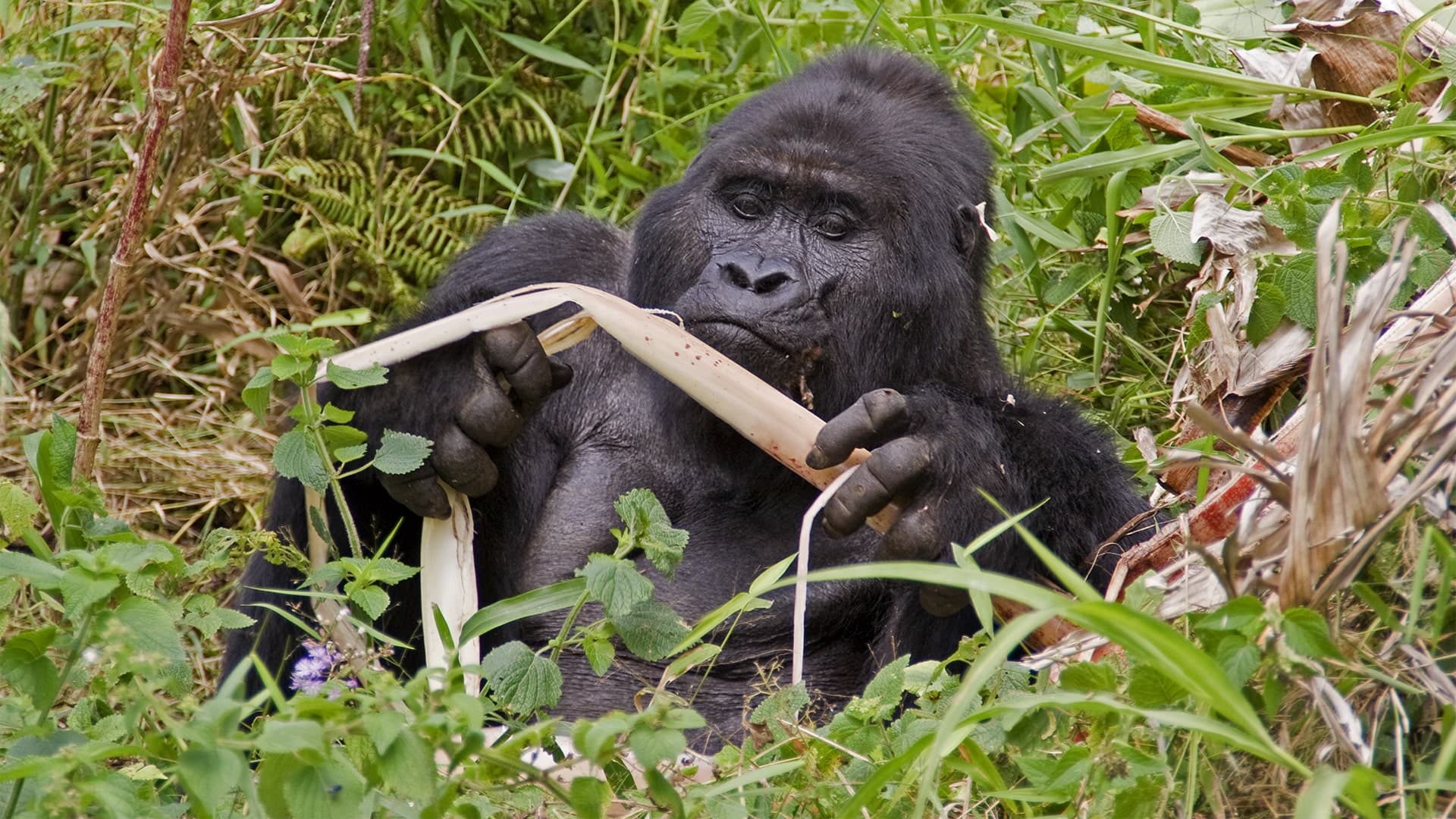
Bwindi Impenetrable Forest
Southwest Uganda. Home to the mountain gorilla.
View destination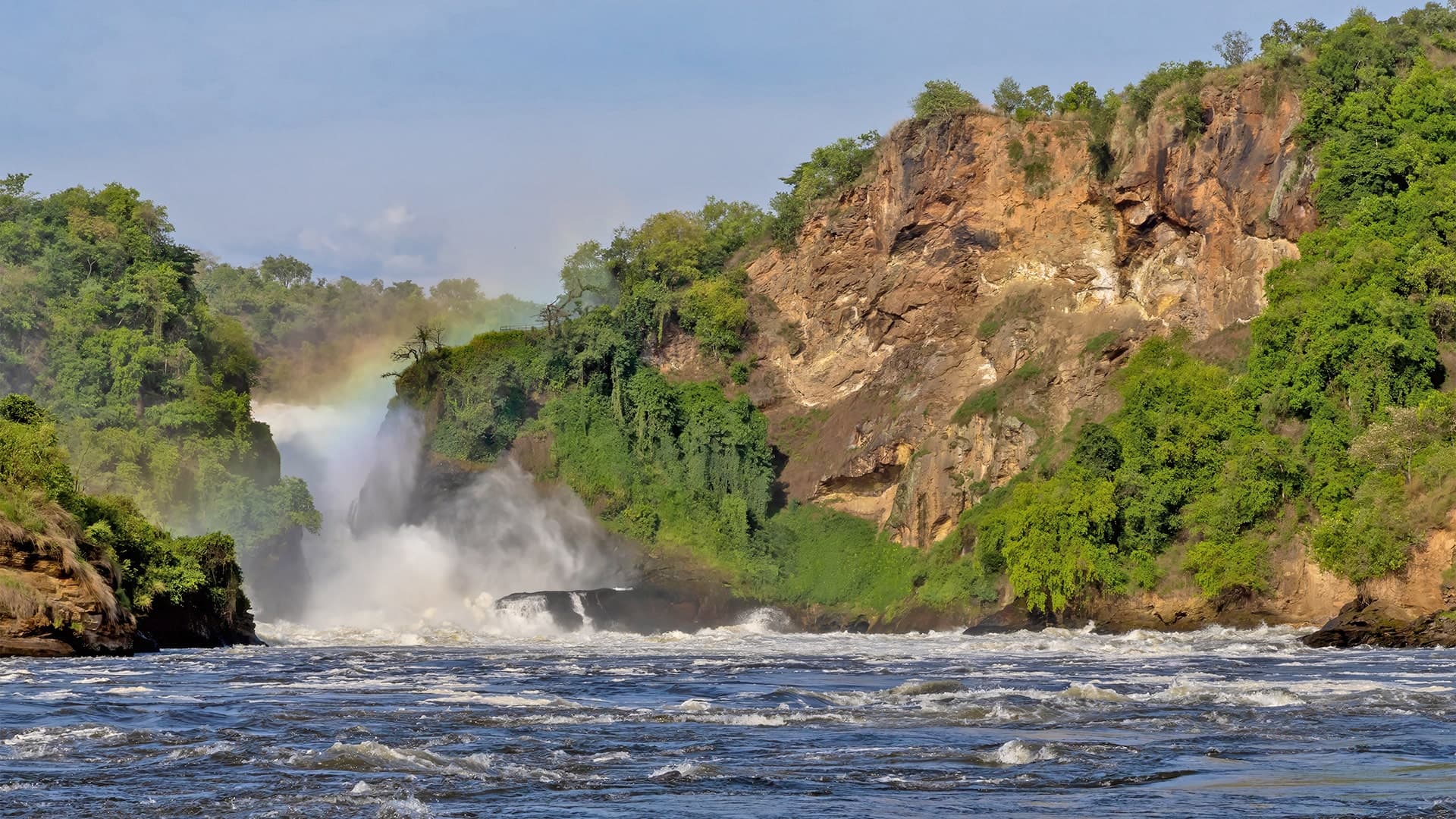
Murchison Falls National Park
The Nile forces itself through a narrow gorge here. Savannah game drives round out the visit.
View destination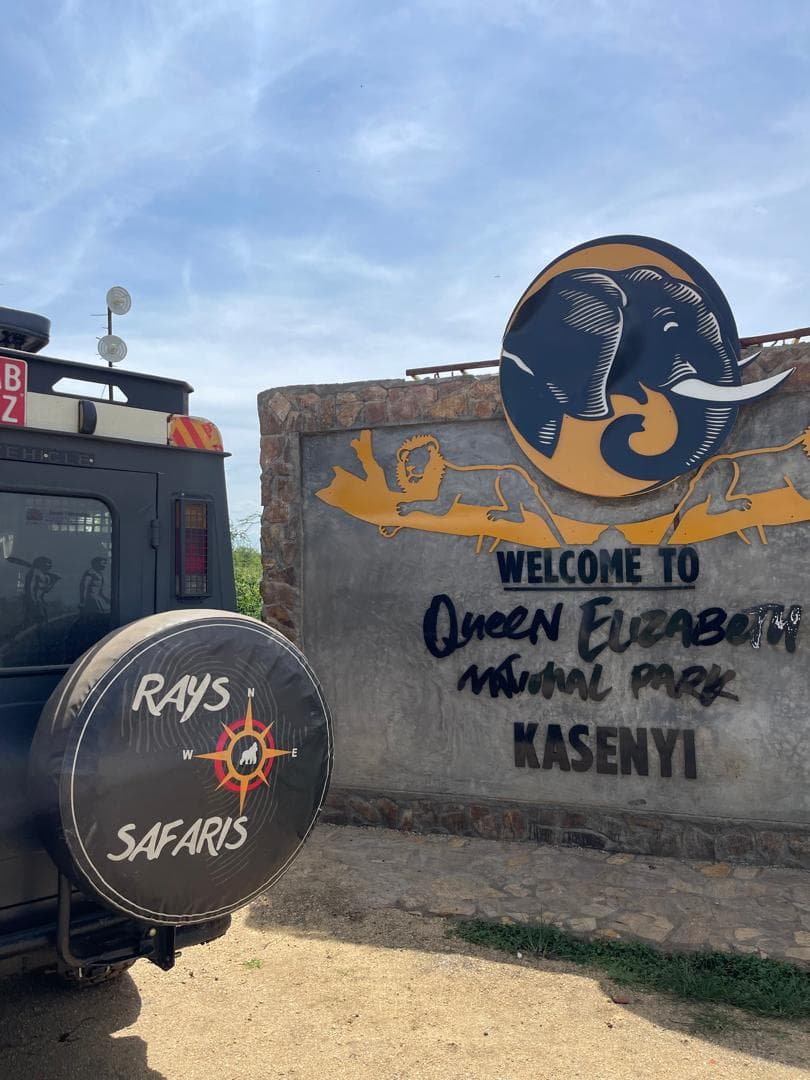
Queen Elizabeth National Park
Game drives, boat rides on the Kazinga Channel, and tree-climbing lions.
View destinationReady to Plan Your Safari?
Tell us your dates, group and what you want to see
You’ll get a custom itinerary and quote back, not a template someone else already used. Handled by a local team before you land in Entebbe.