Kenya Safari
Discover Kenya with Rays Safari
Your Kenya safari, planned by people who know it
Cheetahs sprint across the Maasai Mara. Elephants cross the plains of Amboseli with Kilimanjaro behind them. Flamingos line the shore at Lake Nakuru. Kenya packs all of it into one country, and you can see a lot of it in nine days.
See the four Kenya tours or tell us what you have in mind.
Why choose Kenya for your safari?
Kenya is where most people picture Africa. Here's what you get.
The Great Migration
More than two million wildebeest, zebra and gazelle cross the Maasai Mara each year. It usually peaks from July to October.
The Big Five in reach
Lions, leopards, elephants, buffalo and rhinos all live in Kenya's parks. Rhinos are easiest to see at Lake Nakuru and Solio.
Variety in one country
Open plains, a Rift Valley lake, a snow-topped mountain view, northern semi-desert and an Indian Ocean beach. You can see most of them on a single trip.
Safari plus beach
Finish your trip on Diani Beach. Two of our tours are built this way.
Culture
You'll meet the Maasai in the south and the Samburu in the north. Ask your guide how to visit a village respectfully, and ask before you photograph anyone.
Where should you go in Kenya?
Maasai Mara
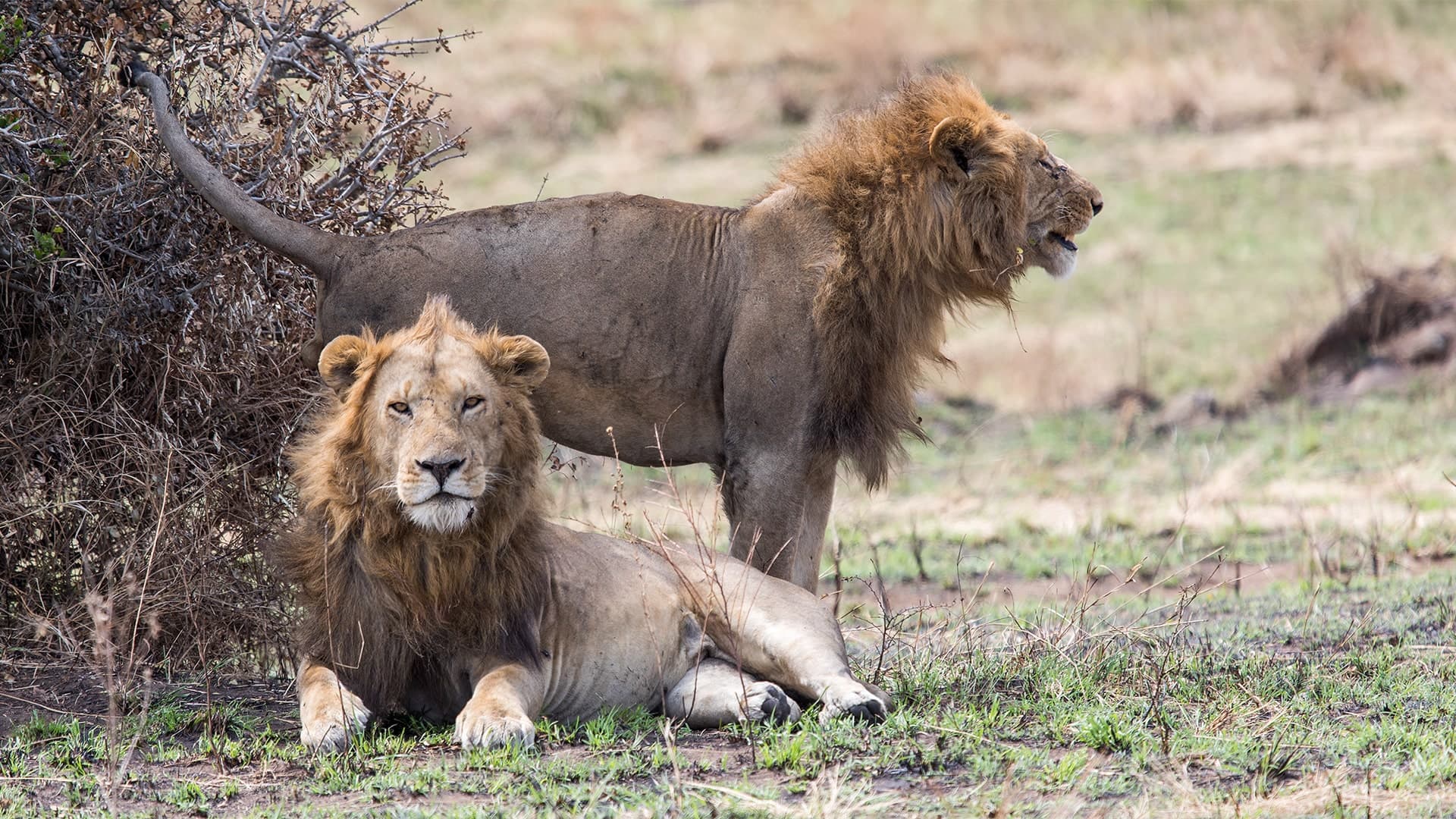
The country's best-known reserve, with lions, leopards, cheetahs and elephants on open plains. It's also where the migration crosses the Mara River.
Lake Nakuru National Park
A Rift Valley lake with rhinos and, when conditions are right, flamingos along the shore. Over 400 bird species have been recorded here.
Lake Naivasha
Take a boat among hippos and birds, then walk on Crescent Island, where you can be on foot near giraffes and zebras.
Amboseli National Park
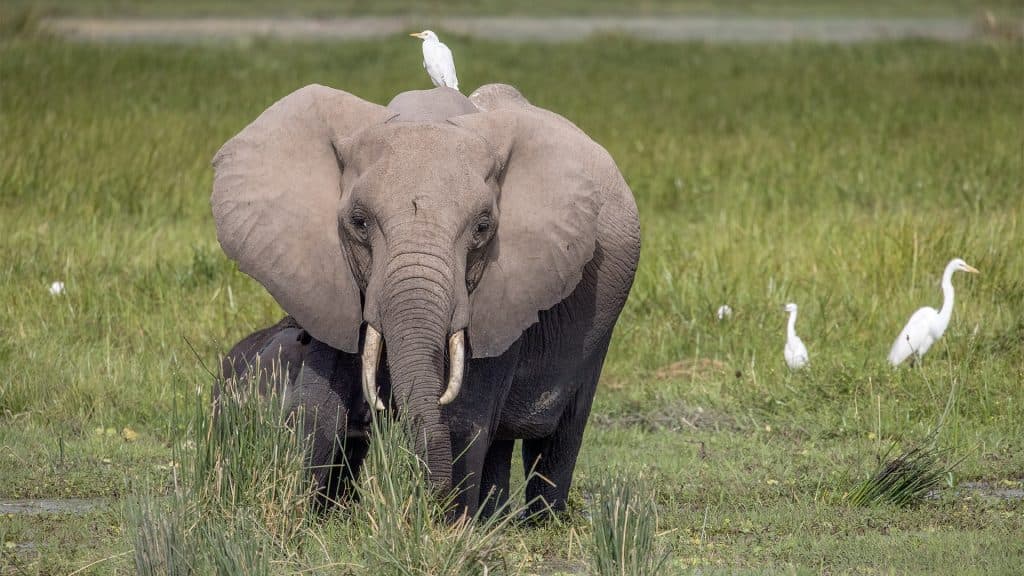
Big elephant herds with Mount Kilimanjaro behind them. It's one of the best places in Africa to photograph this.
Tsavo East and Tsavo West
Big, wild parks. Tsavo's elephants are famous for the red dust that colours them.
Samburu and Buffalo Springs
Dry northern reserves with species you won't find in the south, including the "Special Five": Grevy's zebra, reticulated giraffe, Somali ostrich, gerenuk and beisa oryx.
Meru, Solio and the Aberdares
Quiet parks for travellers who've seen the Mara. Solio is a rhino sanctuary, and the Aberdares let you walk with a guide.
Diani Beach
White sand on the Indian Ocean coast. It's hot and humid year round, so go for the swimming, not the climate.
Nairobi
Most trips start here. If you have a spare day, ask us about the Giraffe Centre and the Sheldrick elephant orphanage.
When is the best time to visit Kenya?
June to October is the best time for most travellers. It's dry, wildlife gathers near water, and the migration is in the Mara. January to March is also dry and good for game viewing.
- Jan to Mar: Dry, high season. Dry, warm, strong game viewing
- Apr to May: Long rains. Green landscapes, few visitors, some muddy roads
- Jun to Oct: Dry, peak season. Best weather. Migration usually July to October
- Nov to Dec: Short rains. Greener, quieter, good for birds
When do you see the river crossings?
Usually between mid-July and late August. Nature keeps its own schedule, so we plan for the likely window, not a guarantee.
On a budget?
Rainy months have fewer vehicles and often lower rates. Photographers like them for the green and the moody skies.
What do you need to know before you go?
How do you get a visa?
Most travellers need one. Apply online before you travel through Kenya's official system. Rules change, so check the official site before you book flights.
What's the currency?
The Kenyan Shilling (KES). US dollars and euros are widely accepted.
What languages are spoken?
English and Swahili, both official. A few words of Swahili go a long way.
What health steps do you need?
A yellow fever certificate is required for most arrivals. We recommend anti-malaria medication. Talk to your doctor or a travel clinic early.
What time zone is Kenya in?
GMT +3.
What should you pack?
Light clothes in neutral colours (avoid bright white, black and blue), a warm layer for early game drives, a hat and sun cream. Kenya bans single-use plastic bags. Take plastic bags out of your luggage before you land.
What about tips?
Tipping is customary. We'll send a simple guide with your itinerary.
Is Kenya safe?
Our tours use private vehicles, experienced guides and vetted lodges. Check your government's travel advice before you book.
Tours to Kenya
9 Days Highlights of Southern Kenya
Kenya's classics in nine days: Lake Naivasha, Lake Nakuru, the Maasai Mara and Amboseli, finishing in Tsavo East. The tour we suggest most to first-time safari travellers.
Explore this tour →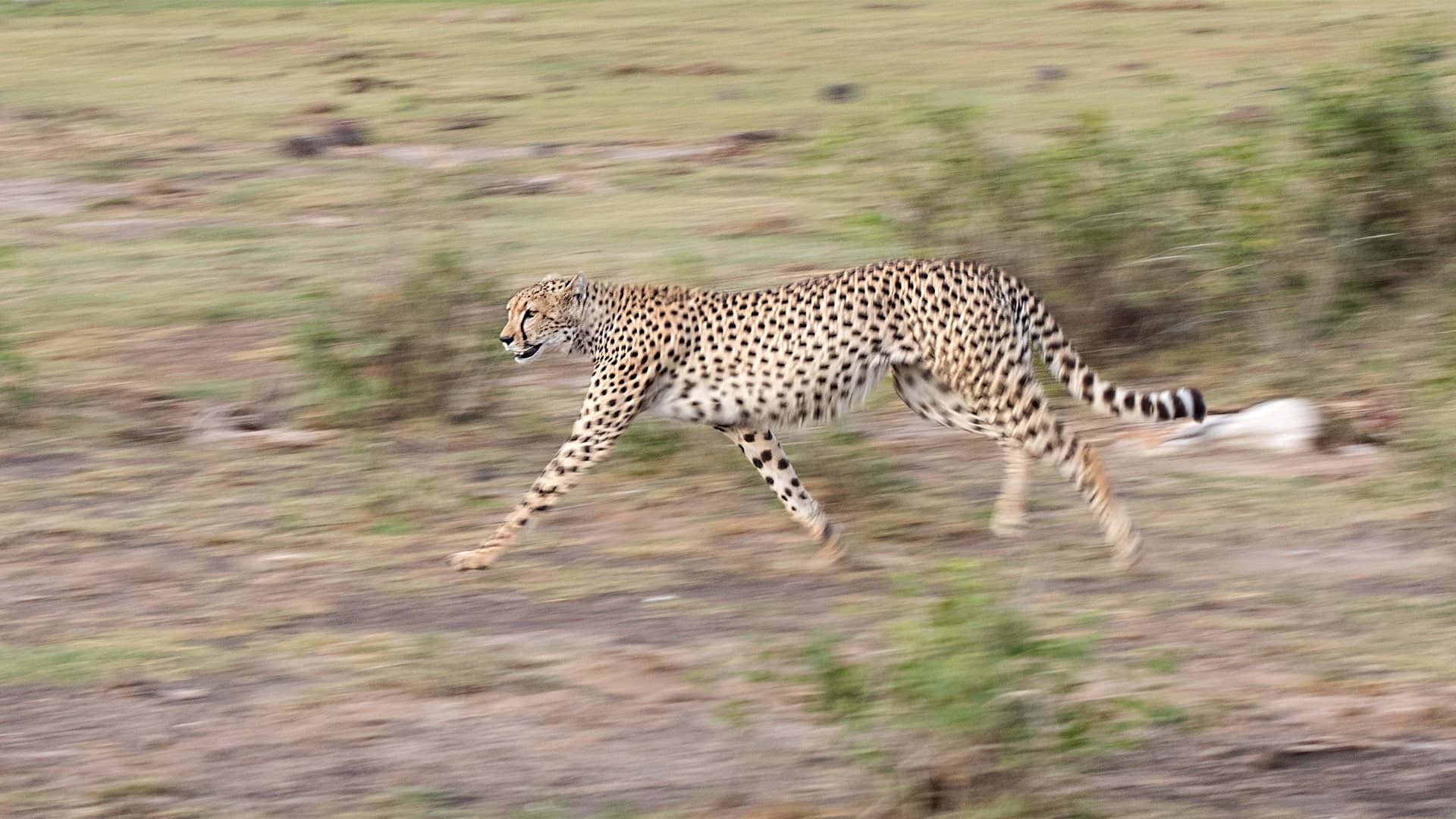
14 Days Kenya Safari and Beach
This 14-day journey brings together Kenya’s top wildlife experiences and a relaxing beach finale on the Indian Ocean coast. From the iconic Maasai Mara to
Explore this tour →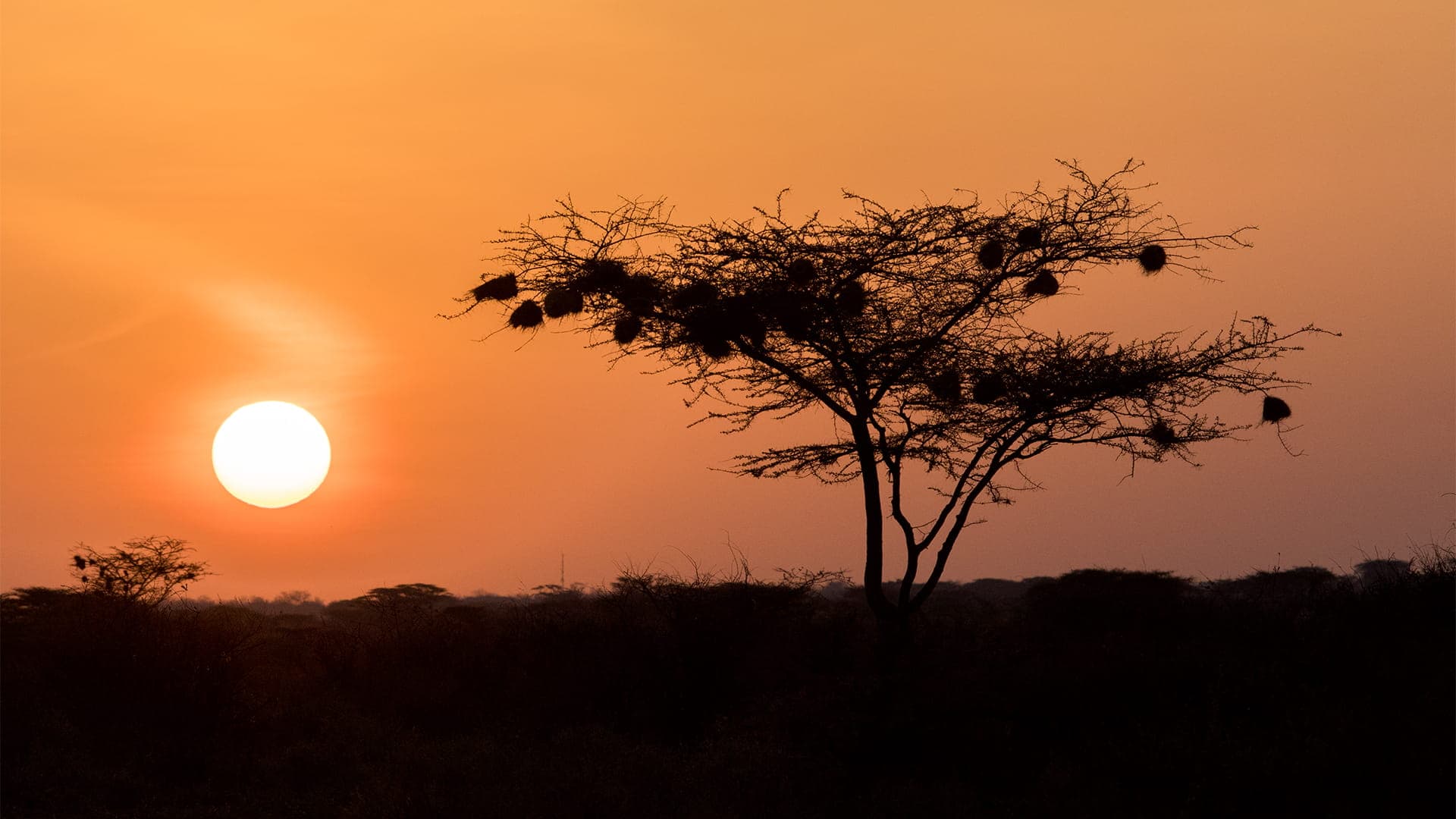
14 Days Luxury Safari and Beach
This 14-day journey through Southern Kenya offers the perfect blend of high-end safari adventure and beachside bliss. Stay in handpicked luxury lodges and
Explore this tour →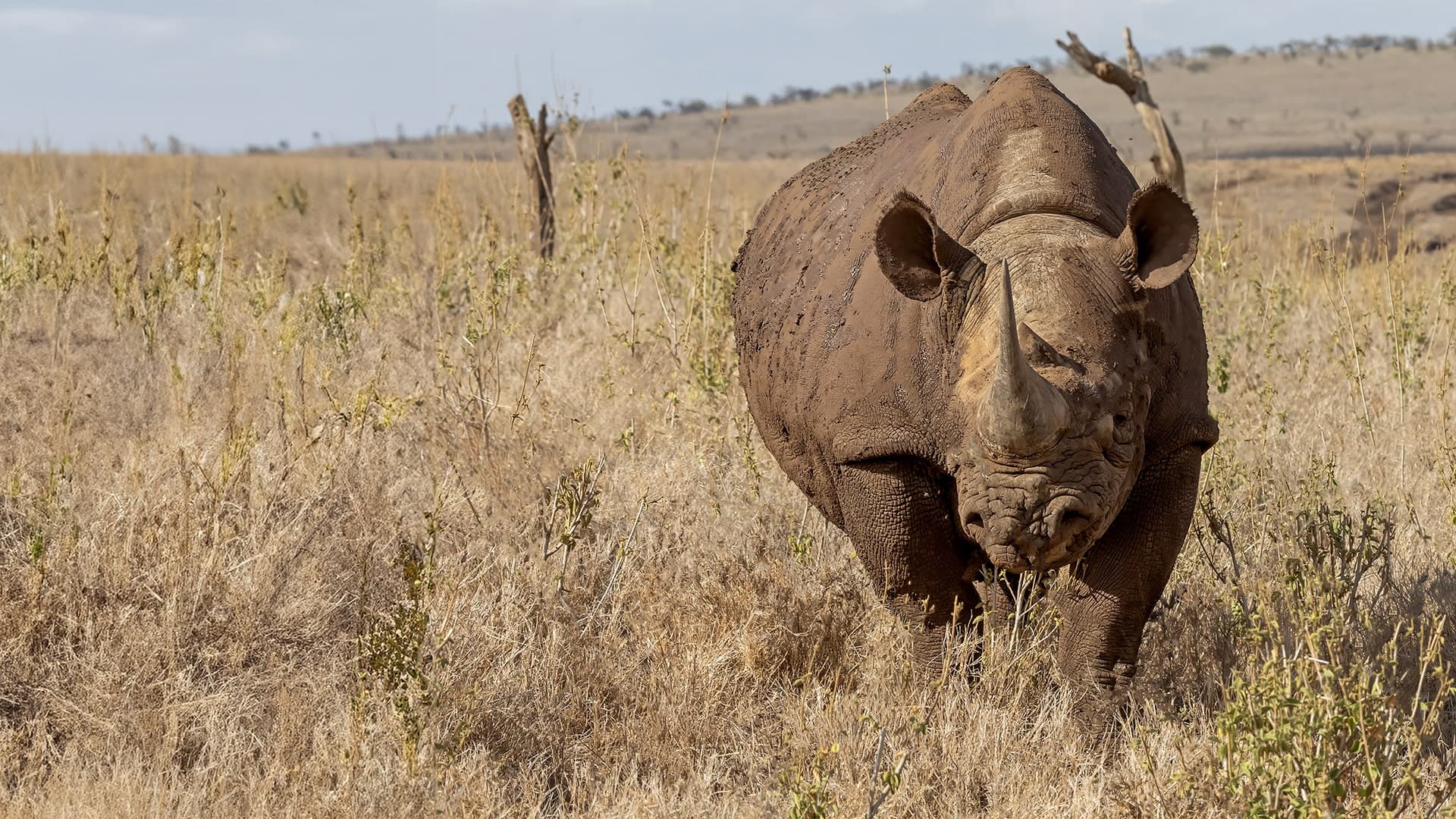
9 Days Northern Rift Valley Kenya
Already done the Mara? Head north to Meru, Samburu, Solio and the Aberdares: quieter parks, Samburu's Special Five and a rhino sanctuary.
Explore this tour →Highlights
Amboseli National Park – Elephants and Kilimanjaro
Beach extension Kenya - Indian Coast
Birding in Kenya – A Paradise for Birdwatchers
Combine Kenya with Uganda or Tanzania – The Best of East Africa
Hot-Air Balloon Safari – Sunrise Over the Mara
Lake Naivasha – Hippos, Birds and Walking Safaris
Lake Nakuru National Park – Flamingos and Rhinos
Lewa Wildlife Conservancy – Protecting Endangered Species
Ready to Plan Your Safari?
Tell us your dates, group and what you want to see
You’ll get a custom itinerary and quote back, not a template someone else already used. Handled by a local team before you land in Entebbe.