
Semuliki National Park
The Ituri forest covers most of the ground here, one of the most diverse forest systems on the African continent. Semuliki holds 441 recorded bird species — roughly 90% of all Albertine Rift endemics — and eleven mammals found nowhere else.
Semuliki became a national park in 1993, covering 220 sq km in Bundibugyo district, western Uganda. It's one of the country's newer parks. The Semuliki River, which starts in the Congo, runs through the park and drains into Lake Albert. Sempaya Hot Springs, remnants of old volcanic activity, sit inside the park boundary.
Semuliki National Park is located in the Bundibugyo District in western Uganda.
It was made a National Park in October 1993, and is one of Uganda’s newest national parks and is one of Uganda’s most important safari destination.
The 220km² area of the reserve supports 336 tree species, over 53 mammal species, more than 400 bird species, 8 primate species and almost 300 butterfly species.
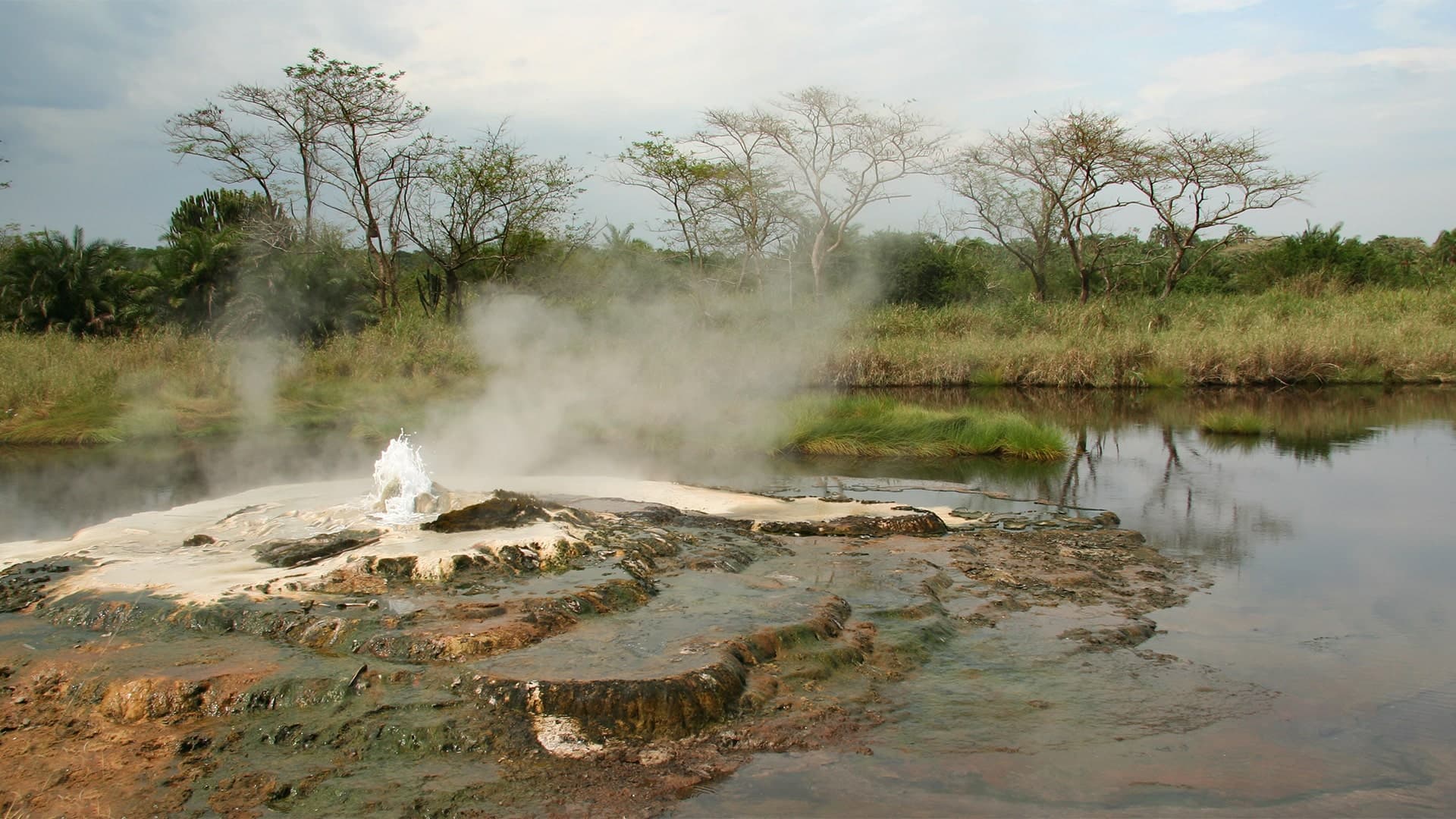
The Hot Springs at Sempaya are Semuliki National Park’s most famous attraction.
Park size
220 sq km
Bird species
441 · ~90% of Albertine endemics
Mammal species
53, with 11 found nowhere else
Tree species
336
What are the Sempaya Hot Springs?
Two hot springs sit in the park's southern, swampy lowlands. The male spring, Bitente, is a 30-minute walk from park headquarters and stretches over 12m across. The female spring, Nyansimbi, sits close by and produces a boiling geyser that spurts up to 2m high, visible from 2km away, with water reaching 100 degrees Celsius. Local communities have long used both springs to treat skin diseases and fungal infections.
Who lives around the park?
Four tribal groups surround Semuliki: the Bakonzo, Bamba, Basongora, and Batwa. The Bakonzo and Bamba farm the slopes of Mount Rwenzori. The Basongora keep cattle on the open rift valley plains. The Batwa lived as forest hunter-gatherers before eviction during the park's creation.
What birds live here?
441 species call this park home, 23 of them found only in the Albertine Rift, roughly 90% of all Albertine endemics. Look for the Short-tailed Warbler, Blue-headed Sunbird, Common Bulbul, African Emerald Cuckoo, Red-headed Bluebill, and African Blue and White-tailed Blue Flycatchers. Seven species here carry IUCN Red List status.
What does the forest look like?
Semuliki is lowland tropical rainforest, moist and deciduous. 336 tree species grow here, including Lovoa swynnertonii and Cordia millenii, both listed as endangered. Cynometra trees dominate the park center. Riverine swamp forest lines the Semuliki River and the area around Sempaya.
What wildlife lives here?
53 mammal species live in the park, 27 of them large mammals. 11 species exist nowhere else, including the pygmy antelope and two species of flying squirrel. You'll also find forest elephants, forest buffalo, crocodiles and hippos in the Semuliki River, the water chevrotain (known locally as the "fanged deer"), and the blue duiker.
Primates include the grey-cheeked mangabey, baboon, chimpanzee, Dent's mona monkey, central African red colobus, black-and-white colobus, and vervet monkey. Bush babies and pottos come out at night.
When should you go?
Uganda's dry seasons run June to August and December to February. These months give you the clearest trails and the best wildlife viewing.
Things to do
What can you do in the park?
Game drives
Three tracks extend into the Toro-Semuliki Wildlife Reserve, with savannah and forest elephants, waterbuck, buffalo, crocodile, Uganda kob and warthog. Night drives give the best shot at nocturnal species like the white-tailed mongoose.
Birding
The Ntandi and Sempaya tracts hold the park's best birding — white-crested hornbill, yellow-throated nicator, piping hornbill, and the great blue and Ross's turacos. Lake Albert's shores give you a shot at the shoebill.
Kirimia Trail
13km and 8 hours through forest to the Semuliki River, starting at 8am.
Red Monkey Track
11km along the park's eastern border, with chances to spot the rare de Brazza's monkey near the river.
Sempaya Nature Trail
8km, 2 to 4 hours, past the hot springs and primate territory. Boil plantains or eggs in the springs if you want the full experience.
Cultural encounters
Visit the Batwa community at Ntandi, resettled on the forest margin after generations in the Semuliki forest, for their stories and traditional musical performances.
Lodging
Where should you stay?
Sempaya area
Kirimia Guesthouse in Kirimia village, 100m from the Kirimia trailhead and 10km from Sempaya toward Bundibugyo, with meals included. The park also runs basic cottages and a campsite at Bumaga, 2.5km from Sempaya.
Toro-Semuliki Wildlife Reserve
Semuliki Safari Lodge — eight en-suite tented rooms for up to 18 guests, each with a fireplace and hot water, plus a pool, dining and bar, library, gift shop and on-site wildlife viewing.
Nearby towns
Fort Portal and Bundibugyo offer further options.
Access
How do you get there?
By road from Kampala, expect 352km and 7 to 8 hours through Mubende and Fort Portal, or 510km through Mbarara and Kasese. The longer route takes you past the Rwenzori Mountains, Kyambura Wildlife Reserve, Queen Elizabeth National Park and Lake Mburo. From Fort Portal it is 52km, about 2 hours; from Murchison Falls, 467km and 11 to 12 hours. By air, Aerolink runs scheduled flights from Kajjansi Airstrip or Entebbe to the airstrip near the park, with charters also available.
Plan it
Safaris that include Semuliki National Park
Keep exploring
Other places to visit
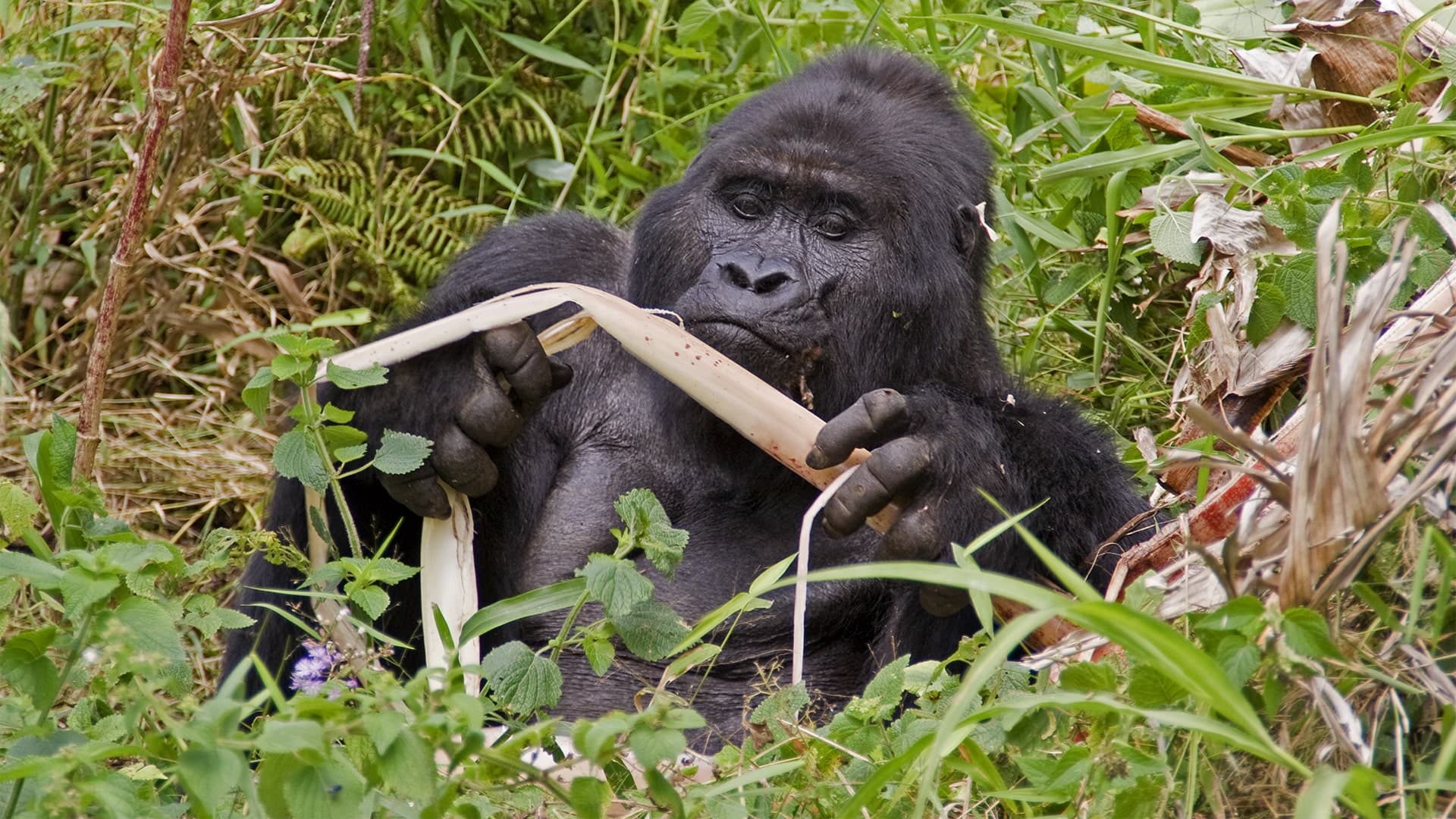
Bwindi Impenetrable Forest
Southwest Uganda. Home to the mountain gorilla.
View destination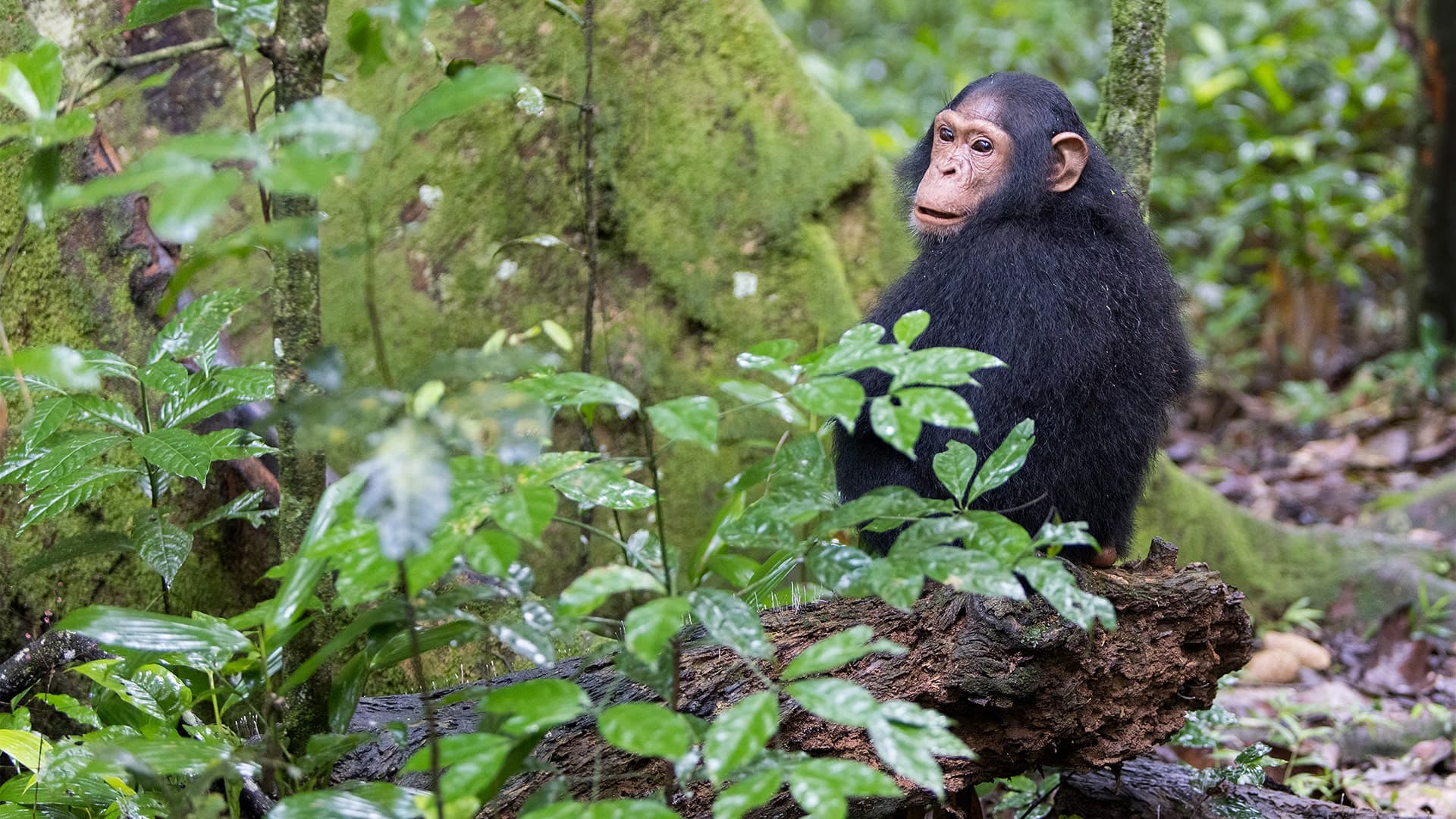
Kibale Forest National Park
Western Uganda. Home to the chimpanzee.
View destination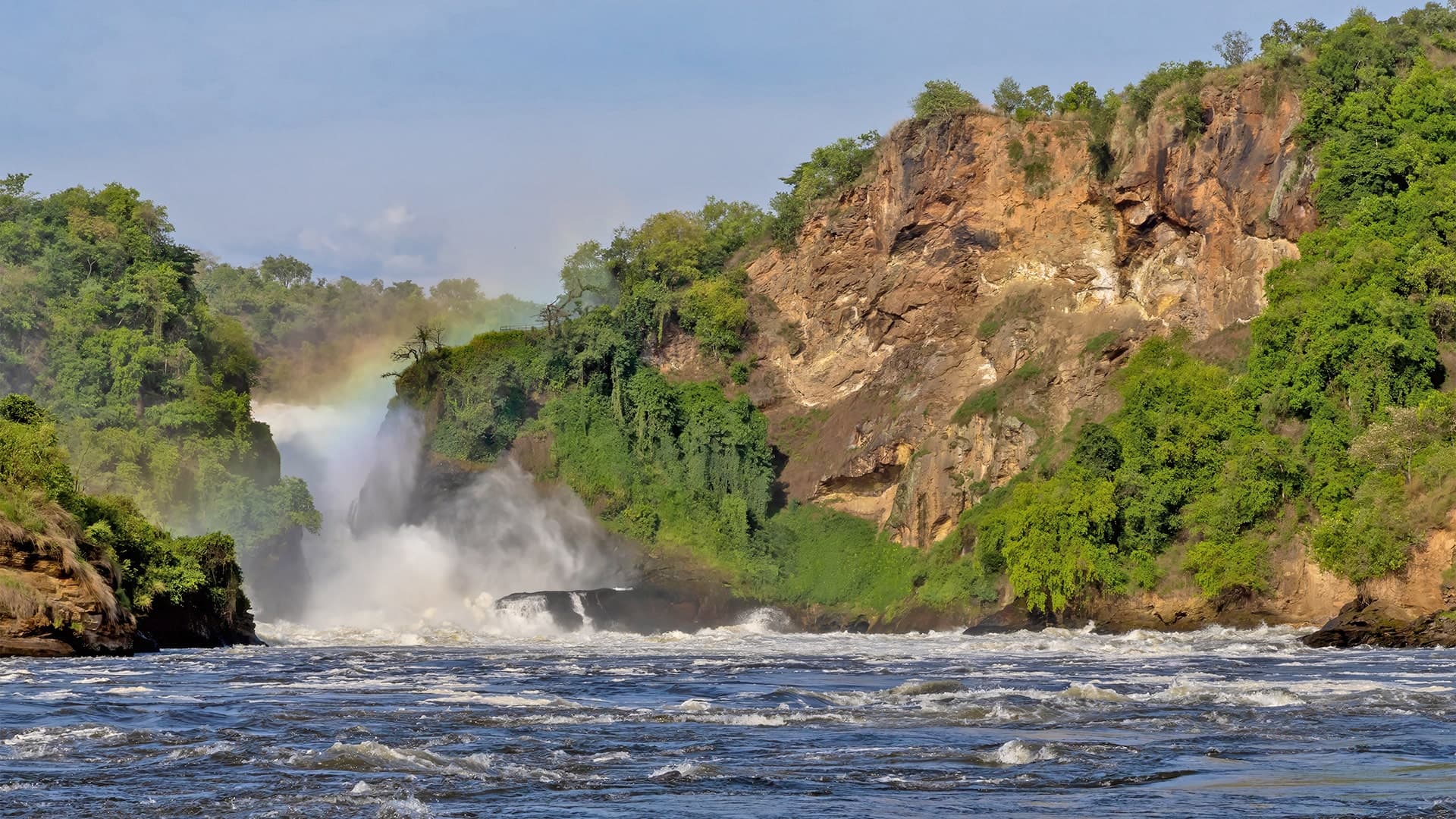
Murchison Falls National Park
The Nile forces itself through a narrow gorge here. Savannah game drives round out the visit.
View destinationReady to Plan Your Safari?
Tell us your dates, group and what you want to see
You’ll get a custom itinerary and quote back, not a template someone else already used. Handled by a local team before you land in Entebbe.