Pian Upe Game Reserve
Pian Upe means "friendly enemy" in the local Karamojong dialect, after two neighbouring pastoral tribes. At 2,788 sq km it is Uganda's second largest protected area, and the last place in the country where you will find the roan antelope.
Pian Upe sits in the Karamoja sub-region of northern Uganda and covers 2,788 sq km, making it the country's second largest protected area after Murchison Falls National Park. It was first gazetted in 1958 as the Debasien Animal Sanctuary. In 1964, the reserve extended northward and took its current name.
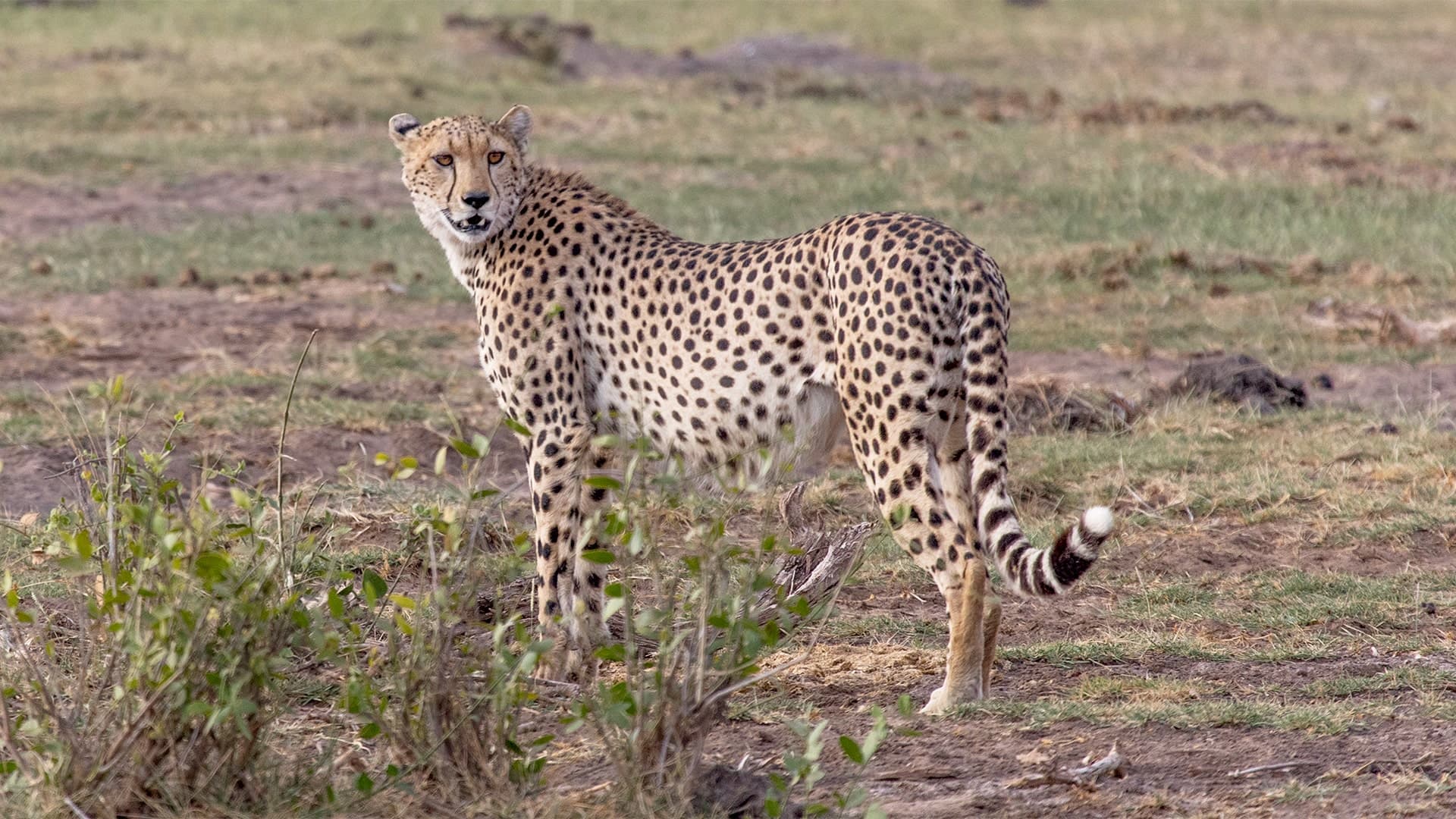
Pian Upe is one of Uganda’s hidden gems, located in the Karamoja region. This remote reserve covers over 2,000 km² of savannah and is home to rare species such as cheetahs, roan antelopes, ostriches, and elands. Its untouched beauty, dramatic landscapes, and low number of visitors make Pian Upe a true off-the-beaten-path adventure.
Reserve size
2,788 sq km
Gazetted
1958, extended 1964
Bird species
At least 242 confirmed
Distance from Kampala
About 5 hours
What does the name mean?
Pian Upe means "friendly enemy" in the local Karamojong dialect. The name comes from two neighboring pastoral tribes: the Pian, a Karamojong group, and the Upe, a Kalenjin-speaking people also called the Pokot, found across Uganda and Kenya.
What will you see here?
Hot springs sit at the base of Mount Kadam, marked by mercury wells. Around them, you'll find intact woodland, grassland, and kopjes, along with riverine woodland. Tree and shrub species include bush willows, red acacia, harrisonia abyssinica, desert date, red spike thorns, wooly caper bush, and butterfly pea.
Elephants, giraffes, lions, zebras, oribi, common eland, and the roan antelope live here. The roan antelope is worth noting on its own: Pian Upe is the last place in Uganda where you'll find it.
You'll also find puff adders, rock pythons, and harmless water snakes, plus chameleons, geckos, skinks, and the common agama.
When should you go?
January to March is the dry season, and the best time to visit. Vegetation thins out, so wildlife gathers visibly around water sources.
April to October is the rainy season. Roads can turn to mud, game drive tracks become hard to navigate, and thick vegetation blocks clear wildlife views.
November to December is another dry stretch, but vegetation stays lush, so wildlife sightings are less clear than in the January to March window.
What do you need for your visa?
Uganda offers e-visas online, or you can pay US$100 for a visa on arrival at entry points like Entebbe International Airport. If Rwanda and Kenya are also on your route, look into the East African Visa instead.
Things to do
What can you do in the park?
Wildlife safaris
Guided game drives take you past roan antelope, cheetah, dik-dik, black-backed and side-striped jackals, greater kudu, buffalo, hartebeest, eland and zebra. Bring a 4x4. You'll need it.
Bird watching
At least 242 confirmed species, including the ostrich, the world's largest bird, also found at Kidepo Valley National Park.
Mountain scenery
Mount Kadam rises above the plains and rewards the climb with wide views across the reserve. Less demanding than Rwenzori or Elgon, but the payoff is real.
Guided nature walks
A Uganda Wildlife Authority ranger leads you on foot, past antelope, zebra, baboons and dozens of bird species.
Lodging
Where should you stay?
In the reserve
Four bandas sit near the reserve headquarters.
Nearby
Mbale town isn't far and has additional accommodation.
Access
How do you get there?
The reserve headquarters sit about 100km from Mbale town along the Mbale–Moroto road. From the headquarters, the reserve itself is 11km away. Expect a 5-hour drive from Kampala.
Keep exploring
Other places to visit
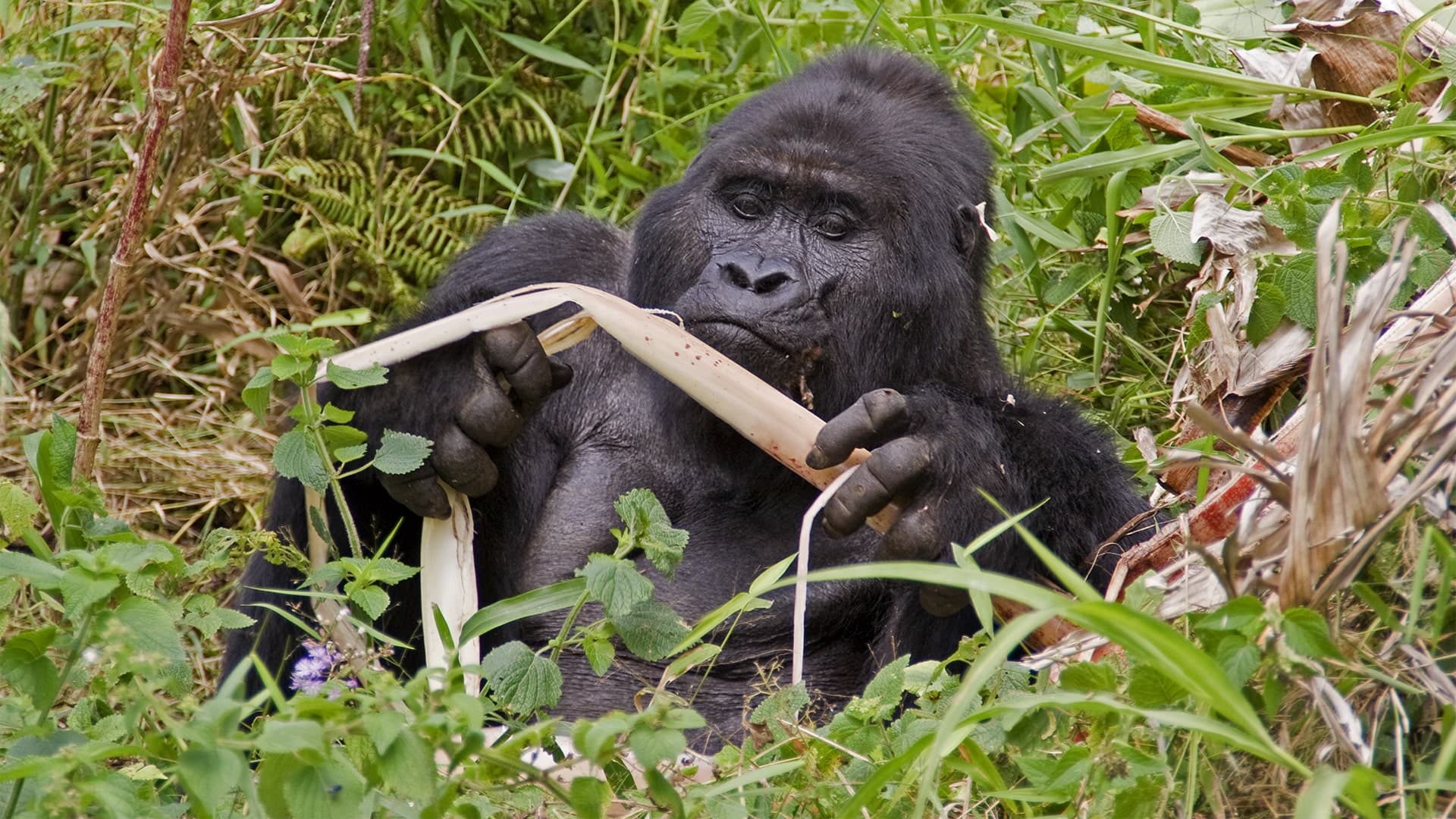
Bwindi Impenetrable Forest
Southwest Uganda. Home to the mountain gorilla.
View destination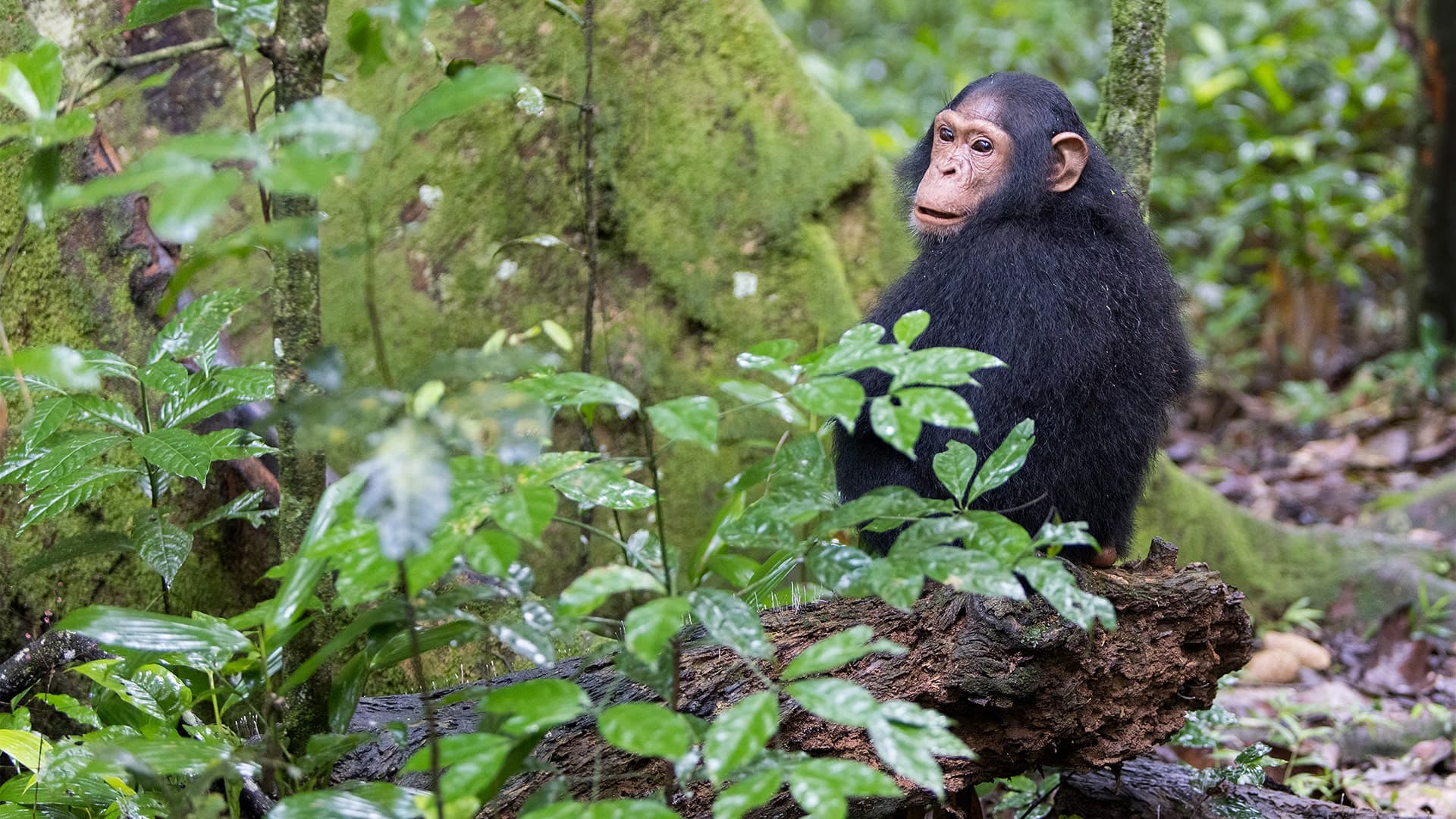
Kibale Forest National Park
Western Uganda. Home to the chimpanzee.
View destination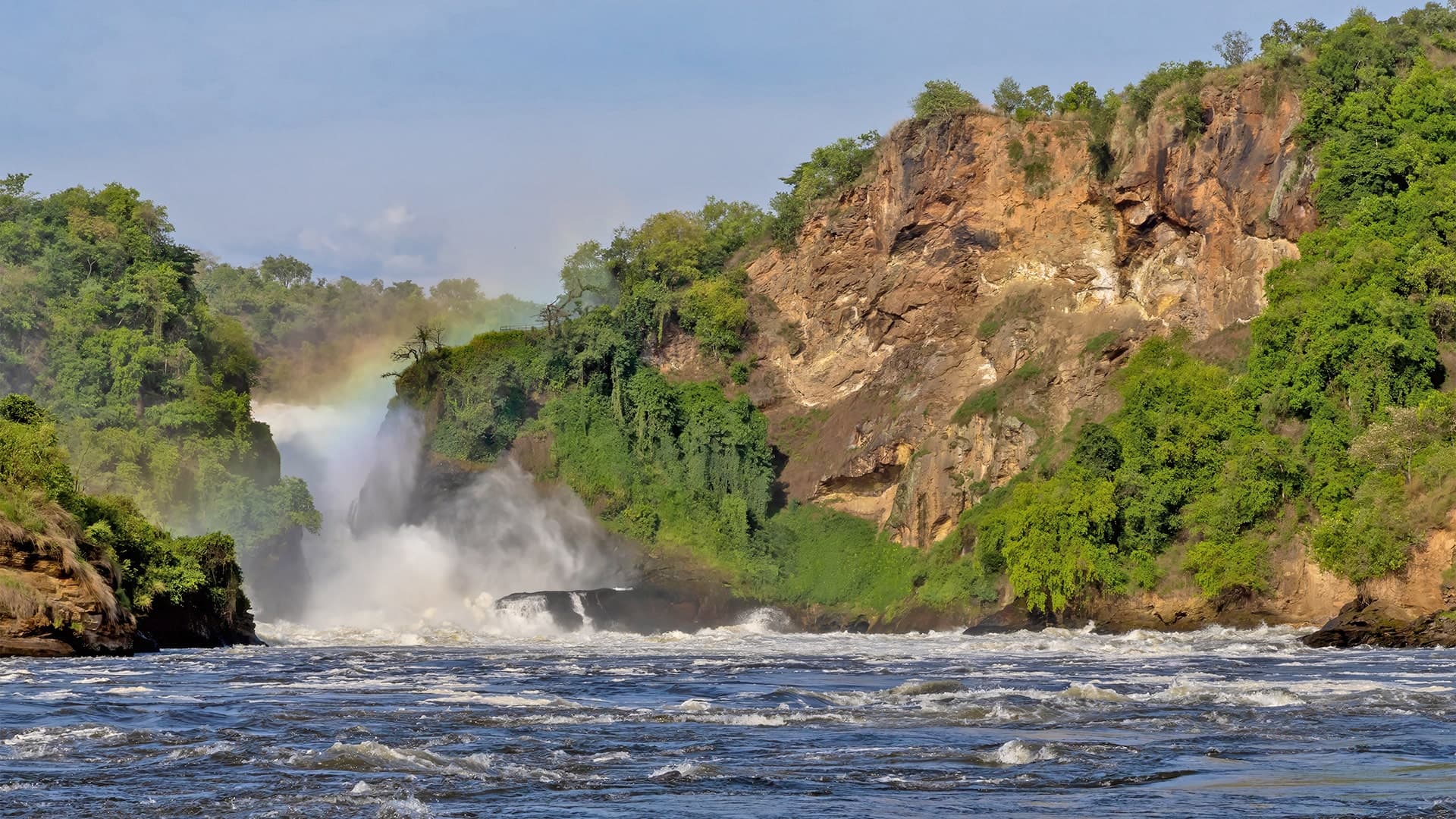
Murchison Falls National Park
The Nile forces itself through a narrow gorge here. Savannah game drives round out the visit.
View destinationReady to Plan Your Safari?
Tell us your dates, group and what you want to see
You’ll get a custom itinerary and quote back, not a template someone else already used. Handled by a local team before you land in Entebbe.