
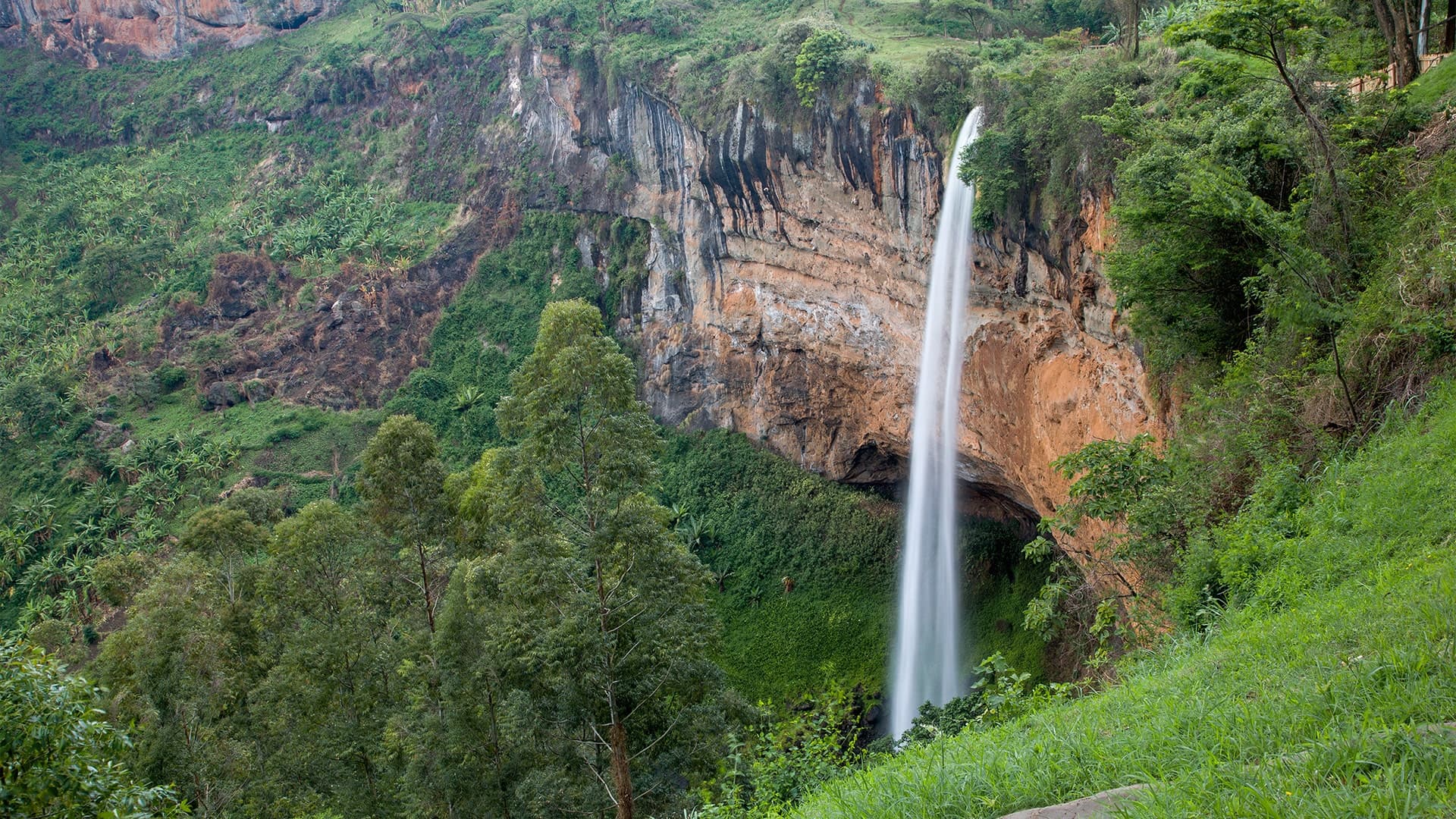
Mount Elgon National Park
Mount Elgon once stood as the tallest mountain in East Africa. Erosion changed that. Today it ranks fourth, at 4,321m, but it holds a title nothing else can take: the largest intact volcanic caldera in the world, at 42 sq km.
Mount Elgon covers 1,121 sq km on Uganda's eastern border with Kenya, with a base spreading across 4,000 sq km. The park became official in 1993. Long before that, the Sabiny, Bagisu and Ndorobo called this mountain home. The Bagisu name it Mount Masaba, after the ancestor they believe was born here.
Located on the border of Kenya and Uganda.
Elephants and buffalo can be found on the lower slopes. The park is also home to a variety of small antelope and forest monkeys, including the Black-and-white Colobus and Blue Monkey. Over 300 birds can also be found in the area.
The park has a variety of scenery; this includes cliffs, caves, waterfalls, gorges, mesas, calderas, hot springs, and the mountain peaks.
Area: 1279 km² (total)
Summit
Wagagai — 4,321m
Caldera
42 sq km — the largest intact
Park size
1,121 sq km
Bird species
Over 296 · 40 found only here
What will you see on the mountain itself?
Four named peaks make up Mount Elgon: Mubiyi at 4,210m, Koitobos at 4,222m, Sudek at 4,303m, and Wagagai, the highest, at 4,321m. At the summit sits the caldera: 42 sq km wide, 8km long, the largest of its kind anywhere. Below it, the Suam gorge cuts deep, with hot springs at its base.
What does the vegetation look like as you climb?
The mountain changes character with altitude, and you will notice it. At base level, dense forest with epiphytes, liana vines and lichens; the forest floor carries ferns, orchids and flowering plants, with prunus africana, podocarpus, Cordia, Elgon teak and cedar among the tree species.
From 2,500m to 3,000m the forest opens into woodland. From 3,000m to 3,500m it becomes grassland marked by pink and white everlasting flowers. Above 3,500m, tiny blue flowers, hairy-leafed plants and giant lobelias take over up to the summit.
What wildlife lives here?
Elephant, buffalo, Defassa's waterbuck, spotted hyena, oribi, bushbuck, and leopard all live in the park. Sightings of these are rare. You are far more likely to see black and white colobus monkeys, tree squirrels, and duiker.
Mount Elgon holds over 296 recorded bird species, 40 of them found only here. Look for Hartlaub's turaco, the bronze-naped pigeon, the black-collared apalis, the tacazze sunbird, Jackson's francolin, the moustached green tinkerbird, and the rare lammergeyer.
Who lives around the mountain?
The Bagisu, Sabiny, and Ndorobo surround Mount Elgon. The Bagisu and Sabiny are known worldwide for their circumcision rituals, and the Imbalu festival draws visitors from outside Uganda to watch. Try the Malewa, a traditional Bagisu dish, while you're there. The Ndorobo practice traditional bull fighting.
Is Sipi Falls part of the park?
No. Sipi Falls sits just outside the boundary, along the Kapichorwa road, about an hour from Mbale. Basalt cliffs on the mountain's northern and western sides feed several waterfalls. Simba Falls drops over a cave entrance, Ngasire Falls flows over a ridge, and Bulago, Sisiyi, Chebonet and Wanale add more falls to the route.
Which trail should you climb?
Sipi trail starts at the Kapkwai Forest Exploration Centre, north of Sipi Falls, and takes 7 days. Sasa trail starts in Budadiri, opposite Mbale, with a steep 1,600m climb on day one; it takes 4 days and passes the largest bamboo track on the mountain and Jackson's Pool en route to Wagagai peak.
Piswa trail starts at Kapwata, 30km past Kapichorwa, takes 7 days, begins at high altitude and passes through podocarpus forest. Suam trail is closest to the Kenya border, starting in Suam village and following the Suam river through the steep gorge, past the hot springs on the caldera's eastern side.
When should you go?
Uganda's dry seasons run June to August and December to February. These months give you the clearest wildlife viewing and the easiest trekking conditions.
Things to do
What can you do in the park?
Mountain climbing
Four trails lead to the summit — Sipi (7 days), Sasa (4 days), Piswa (7 days) and Suam — each with a different pace and view.
Bird watching
Head to the Loop Trails toward Cheptui Falls, or the Kapkwai Forest Exploration Centre, for Chinspot Batis, African Goshawk, Luhder's Bush-shrike, White-chinned Prinia and Baglafecht Weaver.
Cultural encounters
Watch the Kadodi dance during Imbalu season, try Malewa cuisine, walk through local coffee plantations, or watch a Ndorobo bull fight.
Mountain biking
Bikes from Sipi River Lodge. The route runs from Sipi trading centre to Chema Hill in Kapichorwa town, about 1.5 hours, past waterfalls and views of the Karamoja plains.
Sipi Falls
Just outside the park boundary along the Kapichorwa road, about an hour from Mbale, where basalt cliffs feed a string of waterfalls.
Lodging
Where should you stay?
Near the mountain
Suam Guest House, Kapkwata Guest House, Savannah Guest House.
Sipi Falls area
Sipi River Lodge, Sipi Falls Resort, Lacam Lodge, Crow's Nest Campsite, Moses' Campsite, Twilight Sipi Campsite, Rose's Last Chance.
Mbale town
Mbale Resort Hotel, Mount Elgon Hotel, Masha Hotel, Noah's Ark Hotel.
Access
How do you get there?
Three road routes reach the park. From Kampala it is 255km, 3 to 4 hours. From Mbale town it is 20km, about an hour. From Kidepo Valley National Park, expect 505km.
Keep exploring
Other places to visit
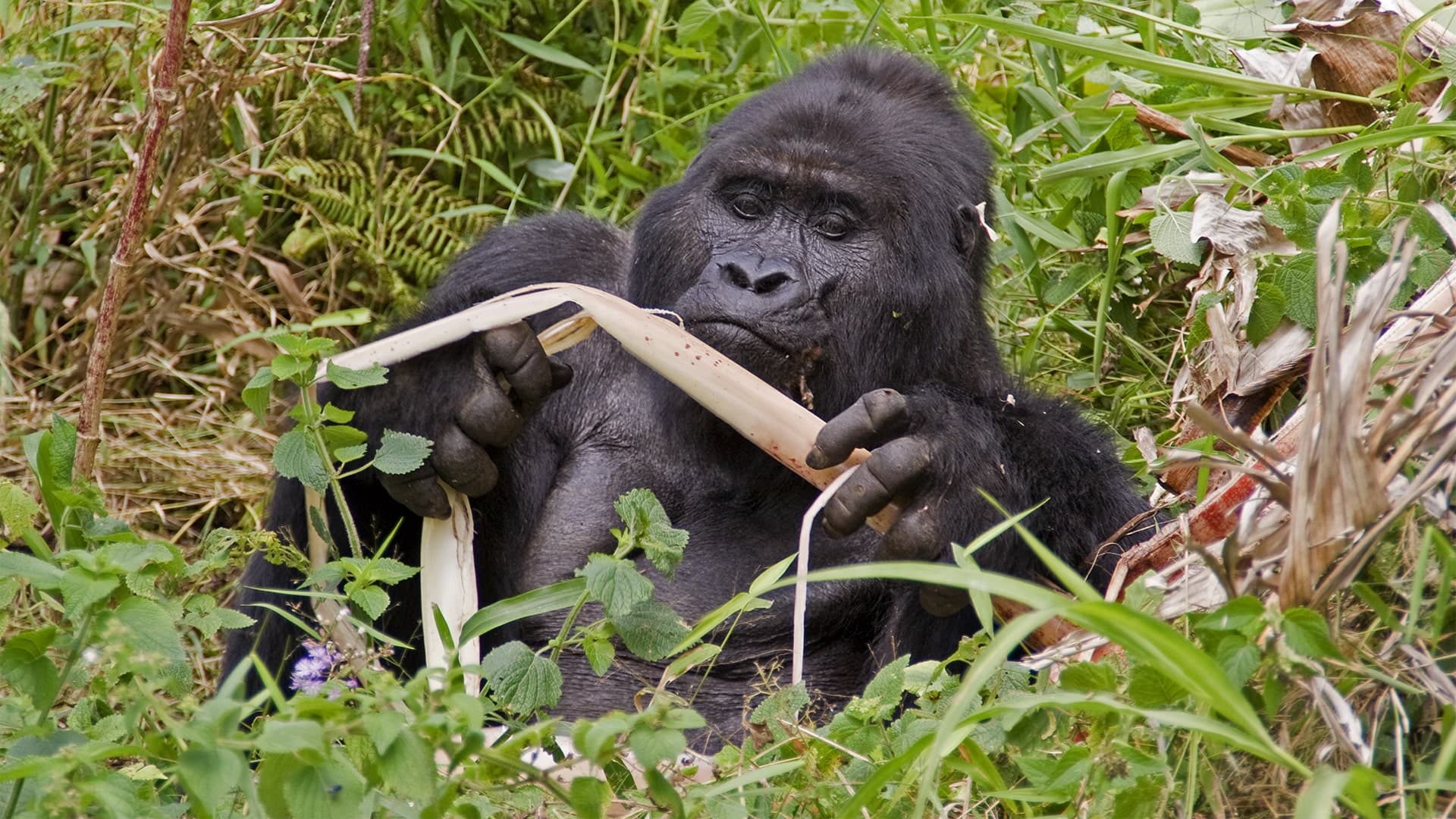
Bwindi Impenetrable Forest
Southwest Uganda. Home to the mountain gorilla.
View destination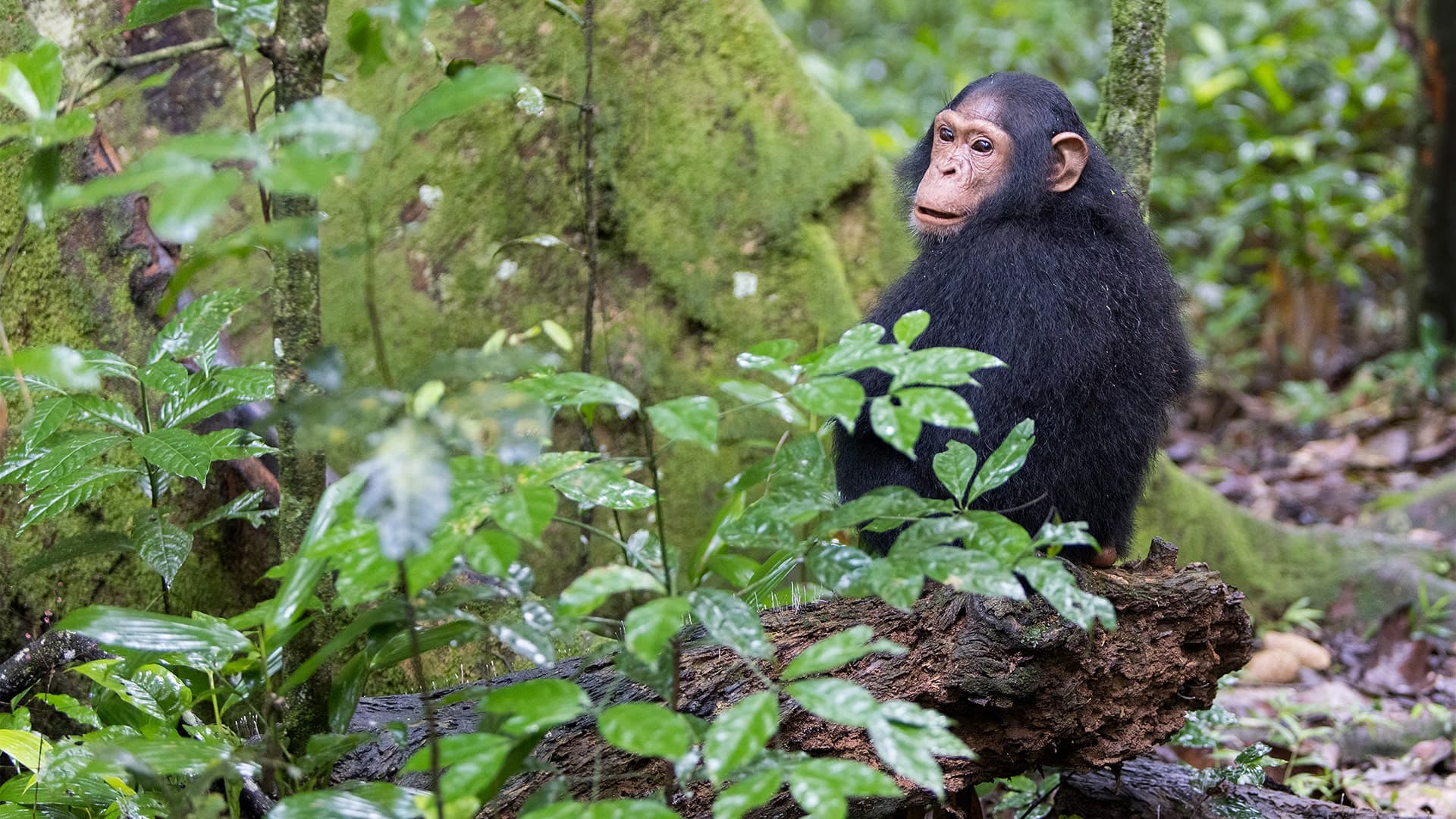
Kibale Forest National Park
Western Uganda. Home to the chimpanzee.
View destination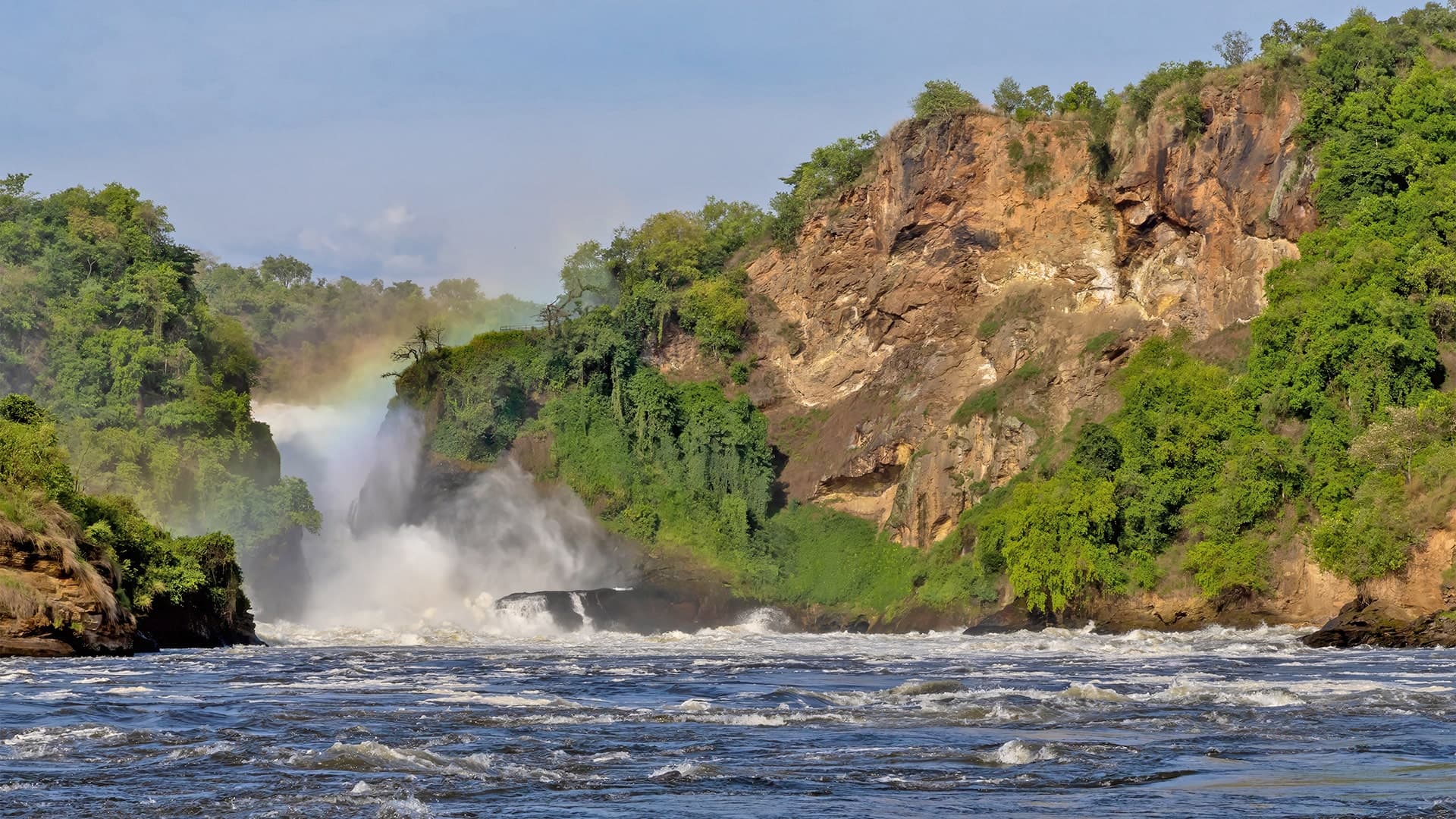
Murchison Falls National Park
The Nile forces itself through a narrow gorge here. Savannah game drives round out the visit.
View destinationReady to Plan Your Safari?
Tell us your dates, group and what you want to see
You’ll get a custom itinerary and quote back, not a template someone else already used. Handled by a local team before you land in Entebbe.